 Admin
Admin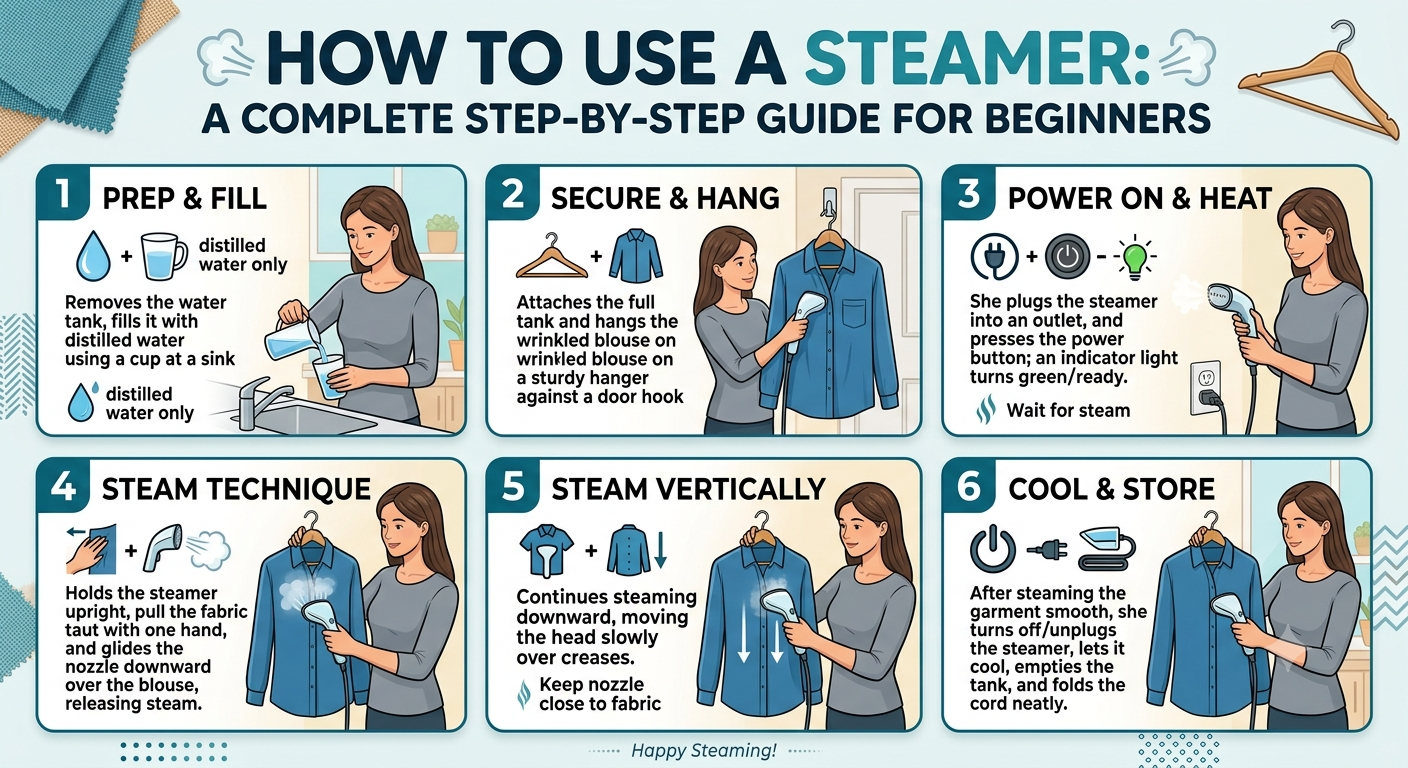
Learning how to use a steamer correctly can make everyday household tasks faster, easier, and more effective. Whether you have a garment steamer for removing wrinkles from clothing or a handheld steam cleaner for household surfaces, the basic principle remains the same: heated water creates steam that helps relax fabric fibers, loosen dirt, or soften buildup.
However, using a steamer is not as simple as pointing it at a surface and pressing a button. Different materials require different temperatures, distances, and techniques. Using too much steam on delicate fabric can cause damage, while holding the device too far away may produce disappointing results.
This guide explains how to use a steamer step by step. You will learn how to prepare your appliance, steam clothes properly, remove stubborn wrinkles, clean different surfaces, avoid common mistakes, and use steam safely. You will also discover when steaming is better than ironing and when you should avoid using steam altogether.
The goal is simple: help you get better results while protecting your clothes, furniture, and household surfaces.
What Is a Steamer and How Does It Work?
A steamer is a household appliance that heats water until it produces steam. The steam travels through a nozzle or head and reaches the target material. Depending on the type of steamer, the appliance may be designed for clothing, upholstery, curtains, floors, kitchens, bathrooms, or other surfaces.
Steam works differently from a traditional iron. An iron uses direct heat and pressure to flatten fabric. A garment steamer, by contrast, uses moist heat to relax the fibers so wrinkles can naturally fall away.
Modern steamers come in several designs. Handheld garment steamers are lightweight and convenient for quick touch-ups. Upright garment steamers usually have larger water tanks and work well for frequent clothing care. Steam mops focus on hard floors, while multipurpose steam cleaners often include attachments for different cleaning jobs.
Why Steam Is Effective for Wrinkle Removal
• Heat relaxes fabric fibers. When hot steam reaches clothing, it penetrates the fibers and helps them loosen. As the material relaxes, wrinkles become easier to remove. This process works particularly well on hanging garments because gravity helps pull the fabric downward.
• Steam can reach difficult areas. A steamer can be useful around collars, cuffs, pleats, and other areas that may be awkward to flatten with an iron. Instead of placing the garment on an ironing board, you can often steam it while it hangs vertically.
• Steam reduces the need for direct pressure. Because the steamer does not usually press directly against the fabric, it can be easier to refresh structured garments. However, you should always check the care label because some fabrics do not tolerate high heat or moisture.
Common Types of Steamers
• Handheld garment steamers are compact appliances designed for quick wrinkle removal. They are convenient for travel, small wardrobes, and occasional use. Their smaller water tanks may require frequent refilling during longer steaming sessions.
• Upright garment steamers typically have larger tanks and longer hoses. They are suitable for people who regularly steam shirts, dresses, suits, curtains, and other hanging items. Their larger capacity can make them more convenient for multiple garments.
• Steam cleaners are designed for household cleaning rather than clothing care. Depending on the model, they may include brushes, nozzles, extension tubes, or floor attachments for different surfaces.
How to Use a Garment Steamer Step by Step
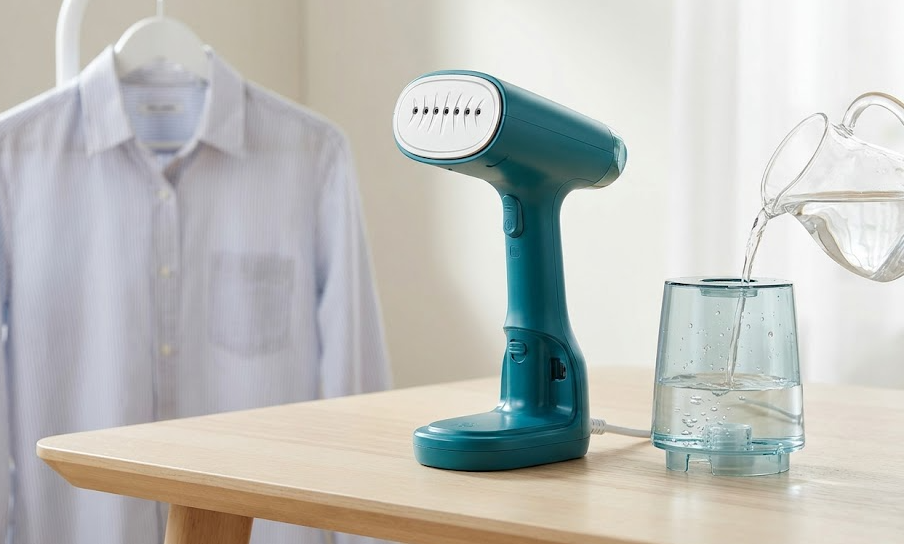
Using a garment steamer correctly starts with preparation. Before switching the appliance on, read the manufacturer’s instructions and check the clothing care label. These two steps can prevent many common problems.
Once you know the garment can safely handle steaming, fill the water tank according to the manufacturer’s instructions. Avoid overfilling because water may leak into areas that are not designed to handle excess moisture.
Hang the garment on a strong hanger in a position that allows you to move the steamer around it easily. Give yourself enough space to work safely and keep the steamer away from children and pets.
Prepare the Steamer Before Use
• Fill the water tank correctly. Use the type of water recommended by the manufacturer. Some appliances allow tap water, while others recommend distilled or filtered water to reduce mineral buildup. Never exceed the maximum fill line.
• Check the fabric care label. Look for symbols and instructions related to ironing, steaming, and temperature. If the label specifically warns against steam or high heat, do not steam the garment without further guidance.
• Allow the appliance to heat fully. Most steamers need a short warm-up period. Waiting until the appliance produces a consistent flow of steam can improve results and reduce the need to repeatedly pass over the same area.
• Hang the garment securely. A stable hanger makes steaming easier and helps prevent the clothing from falling onto the floor. For best results, keep the garment loose enough for steam to move through the fabric.
• Test an inconspicuous area. If you are uncertain about a material, test steam on a hidden section first. Look for changes in color, texture, or shape before continuing.
• Keep the steamer upright when required. Many garment steamers work best in a vertical position. Follow the manufacturer’s instructions because tilting some appliances can cause hot water to escape.
Steam From Top to Bottom
• Start near the upper part of the garment. Beginning at the shoulders or collar lets you work systematically downward. This approach prevents you from accidentally re-wrinkling areas you have already finished.
• Move the steam head slowly. You do not need to hold the steamer in one spot for a long time. Slow, controlled movements usually distribute steam more evenly while reducing the risk of excessive moisture.
• Pull the fabric gently when appropriate. For some garments, lightly holding the lower edge can help create tension. The steam relaxes the fibers while the gentle tension helps the fabric return to a smoother shape.
• Pay attention to seams and collars. These areas often retain wrinkles because they have thicker layers or structural elements. Use short passes rather than soaking the material with continuous steam.
• Work in small sections. Dividing the garment into sections makes it easier to see your progress. It also helps you avoid repeatedly steaming areas that are already smooth.
• Allow the garment to dry. Freshly steamed clothing may contain some moisture. Let it hang for a few minutes before wearing or storing it so the fabric can dry completely.
Also Read:- How Is UploadBlog.com Different From Other Blogging Platforms? Key Features Explained
How to Steam Different Types of Clothing
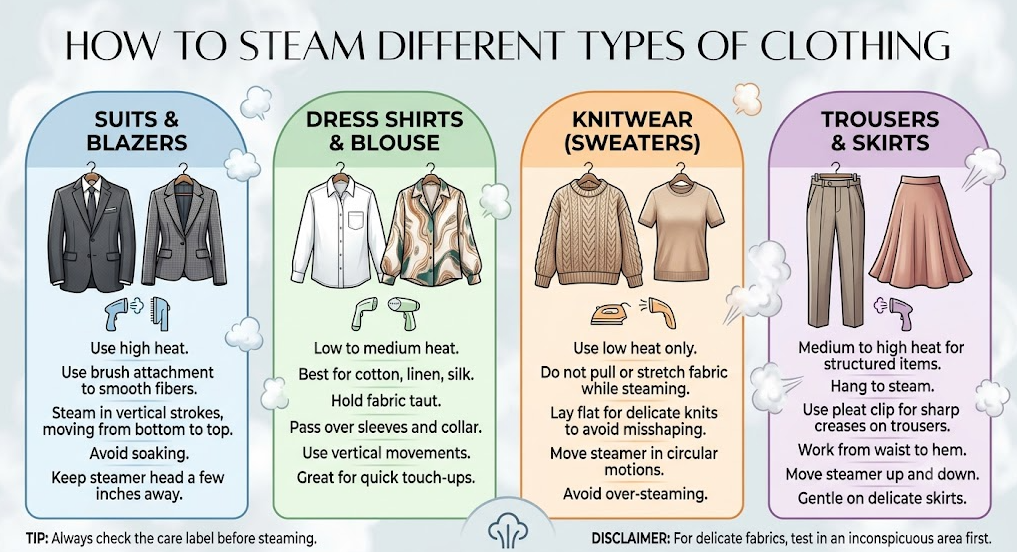
Different fabrics react differently to heat and moisture. The most important rule is to follow the garment’s care label rather than assuming every material can tolerate the same treatment.
Natural fibers, synthetic fabrics, blends, and delicate materials can all behave differently. Even within the same fabric category, dyes, finishes, and construction methods may affect how an item responds to steam.
Cotton and Linen
• Cotton generally responds well to steam. Shirts, dresses, and other cotton garments can often be steamed effectively. Heavier cotton may require slower passes because thick fibers can hold wrinkles more strongly.
• Linen may need extra attention. Linen naturally wrinkles easily, so steaming can help refresh it quickly. Use controlled passes and avoid excessive moisture.
• Steam both sides when necessary. Thick garments may benefit from steaming the front and back. However, always avoid oversaturating the material.
• Use gravity to your advantage. Hang cotton and linen garments vertically so the fabric can relax naturally as you steam.
• Pay attention to stubborn creases. Hold the steamer slightly longer near deep wrinkles, but avoid concentrating intense heat in one place for too long.
• Let the garment dry before wearing. This helps prevent new wrinkles from forming when damp fabric comes into contact with your body or other clothing.
Silk, Wool, and Delicate Fabrics
• Check the care label first. Delicate fabrics require more caution than durable cotton. If the manufacturer recommends dry cleaning only, follow that instruction.
• Keep the steamer at a safe distance. Avoid pressing the steam head directly against delicate materials unless the manufacturer specifically recommends contact steaming.
• Test hidden areas first. A discreet test can reveal whether steam affects the fabric’s color, finish, or texture.
• Use gentle steam exposure. Short passes are generally safer than prolonged steaming. Allow the material to respond before applying additional steam.
• Avoid excessive moisture. Some delicate fabrics can develop water marks or changes in appearance when exposed to too much moisture.
• Store carefully afterward. Once the garment has dried, place it on a suitable hanger and allow enough room for air circulation.
Also Read:- Starter Solenoid Replacement: Signs, Costs & Step-by-Step Guide
How to Use a Steamer on Curtains and Upholstery
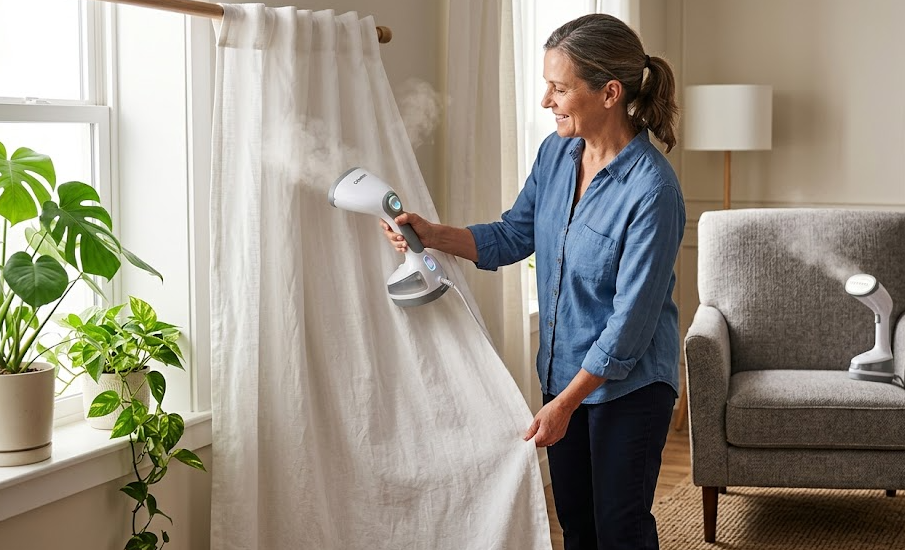
A steamer can be helpful for refreshing curtains and some upholstery, but the same safety principles apply. Always check the manufacturer’s care instructions for the material before applying steam.
Curtains are often convenient to steam because they are already hanging vertically. This allows gravity to help smooth the fabric.
Steaming Curtains
• Keep curtains hanging securely. Do not attempt to steam a curtain that could fall onto the floor or pull down a weak curtain rod.
• Start from the top. Work downward in sections so you can monitor the effect of steam as you go.
• Move slowly but continuously. Keeping the steam head moving helps distribute heat and moisture rather than concentrating it in one location.
• Maintain appropriate distance. The ideal distance depends on the appliance and fabric. Follow the manufacturer’s recommendations.
• Allow ventilation. Open windows or doors if appropriate to help moisture dissipate after steaming.
• Wait before closing the curtains completely. Give the fabric time to dry to reduce the chance of trapping moisture.
Steaming Upholstery
• Check the upholstery cleaning code. Upholstered furniture may have specific cleaning requirements. Steam should not automatically be considered safe for every sofa or chair.
• Test a hidden section. Apply a small amount of steam to an inconspicuous area and observe the result after it dries.
• Avoid soaking the padding. Excess moisture can penetrate deep into cushions and create drying problems.
• Use suitable attachments. If your steamer includes a fabric attachment, use it according to the manufacturer’s instructions.
• Work in small areas. This makes it easier to control moisture and monitor the fabric.
• Allow complete drying. Do not sit on or cover freshly steamed upholstery until it has dried thoroughly.
Also Read:- How to Turn Off Meta AI on Facebook: What Actually Works in 2026
How to Use a Steam Cleaner for Household Cleaning
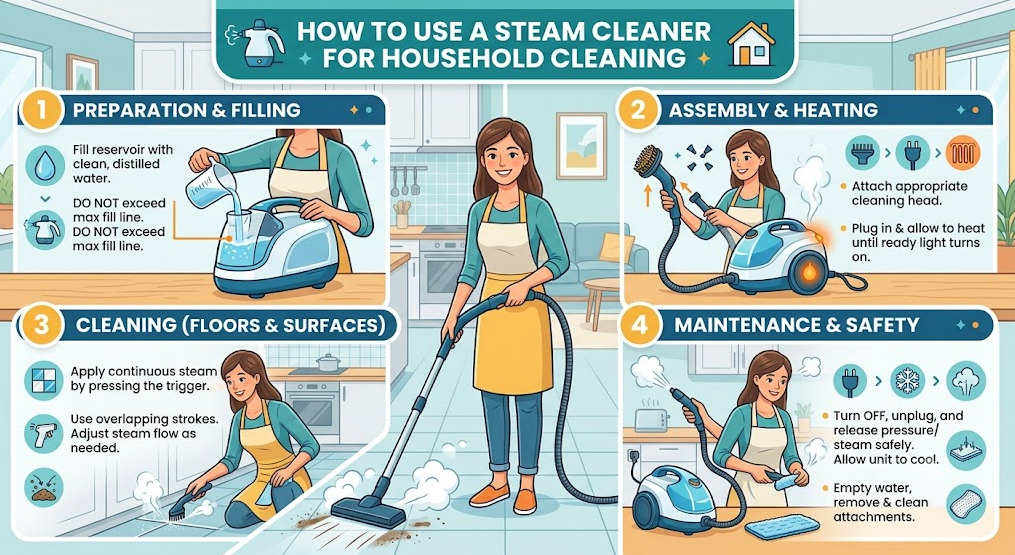
Steam cleaners use high-temperature vapor to loosen dirt and buildup from suitable surfaces. They can be useful for certain cleaning tasks, but steam is not appropriate for every material.
Before cleaning, identify the surface and check whether the manufacturer permits steam cleaning.
Cleaning Hard Surfaces
• Start with loose dirt removal. Vacuuming or sweeping first prevents dirt and debris from spreading during steam cleaning.
• Use the correct attachment. Floor heads, brushes, and precision nozzles serve different purposes. Select the attachment designed for the surface.
• Move continuously. Avoid holding concentrated steam over one area for too long, especially on surfaces sensitive to heat or moisture.
• Use controlled passes. Work systematically across the surface rather than repeatedly returning to the same spot.
• Wipe away loosened residue. Steam can soften grime, but you may still need a microfiber cloth to remove the loosened material.
• Dry the area afterward. Excess moisture should not remain on the surface, particularly around seams, joints, or areas where water can collect.
Also Read:- How to Start a Clothing Brand: Step-by-Step Guide for Beginners
What Surfaces Should You Avoid Steaming?
Steam is powerful, but it is not universally safe. Heat and moisture can damage certain materials, finishes, adhesives, and electrical components.
Always check manufacturer guidance before using steam on an unfamiliar surface.
Materials That May Require Special Caution
• Unsealed wood can be vulnerable to moisture. Steam may enter the material through pores or joints and potentially cause swelling or finish damage. Follow the flooring or furniture manufacturer’s recommendations.
• Some laminate surfaces may not tolerate steam. Heat and moisture can potentially affect seams or adhesives. Never assume that a laminate product is steam-safe without checking its care instructions.
• Certain painted surfaces may react poorly. Heat and moisture can soften or damage some paint finishes. Test carefully or choose a safer cleaning method.
• Electronics should not be steamed. Moisture can damage electrical components. Keep steam away from televisions, computers, phones, power outlets, and other electronic devices.
• Delicate fabrics require caution. Velvet, some silk garments, and specialty textiles may change texture or appearance when exposed to steam.
• Leather and similar materials may require specialized care. Steam can affect finishes and moisture balance. Use products specifically recommended for the material.
Also Read:- How to Patch Jeans: Easy DIY Repair Guide for Every Tear
Steamer vs. Iron: Which One Should You Use?
Both steamers and irons remove wrinkles, but they work best in different situations.
An iron applies direct heat and pressure to flatten fabric against a firm surface. A steamer uses moist heat to relax fibers while the garment usually hangs vertically.
When a Steamer Is Better
• Choose a steamer for quick touch-ups. If you need to remove light wrinkles before leaving home, steaming can be faster because you do not need to set up an ironing board.
• Use steaming for hanging garments. Dresses, suits, jackets, and curtains can often be easier to treat while hanging.
• Consider steaming for delicate construction. Some structured garments benefit from gentle steaming, although the fabric care label should always guide your decision.
• Steam for refreshing garments between washes. Steaming can help refresh the appearance of suitable clothing, but it does not replace proper washing or professional cleaning.
• Use a steamer for awkward shapes. Clothing with pleats, ruffles, or unusual construction may be easier to steam than iron.
• Choose an iron for crisp finishes. If you need sharp creases on trousers or a very flat finish on certain shirts, an iron may provide better control.
Also Read:- how to create charts in excel: Easy Step-by-Step Guide to Make Professional Charts Quickly
Common Mistakes People Make When Using a Steamer
Learning how to use a steamer also means understanding what not to do. Many disappointing results come from simple mistakes rather than poor-quality appliances.
Mistakes to Avoid
• Using the wrong water. Mineral-rich water can contribute to scale buildup in some appliances. Follow the manufacturer’s instructions regarding tap, filtered, or distilled water.
• Ignoring care labels. The safest approach is always to follow the garment manufacturer’s instructions. Do not assume that a fabric is steam-safe based only on its appearance.
• Holding steam in one place too long. Concentrated heat and moisture can damage some materials. Keep the appliance moving according to the recommended technique.
• Overfilling the tank. Filling beyond the maximum line can cause leaks and may affect appliance performance.
• Storing the steamer with water inside. Depending on the manufacturer, leaving water in the tank may contribute to mineral buildup or unpleasant odors. Follow the recommended storage procedure.
• Failing to clean the appliance. Mineral deposits can accumulate over time. Regular maintenance helps maintain steam performance and extend the appliance’s useful life.
Also Read:- How to Reset Apple Watch: Step-by-Step Guide to Factory Reset Easily
How to Maintain Your Steamer for Better Performance
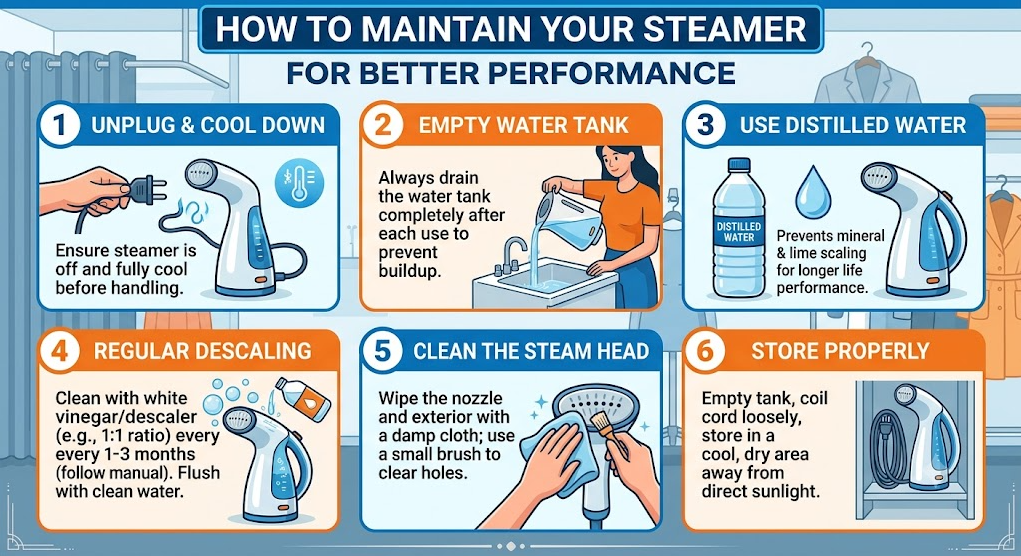
Regular maintenance helps your steamer work efficiently. Mineral deposits, residue, and standing water can affect steam production depending on the appliance and water quality.
Always follow the manufacturer’s cleaning and descaling instructions. Different models use different internal components, so generic cleaning methods may not always be suitable.
Essential Maintenance Tips
• Empty the water tank when recommended. Removing leftover water can help reduce stagnant odors and mineral accumulation.
• Descale according to the manual. Some appliances require periodic descaling. Follow the recommended schedule and use only approved products.
• Clean removable parts. If the manufacturer allows it, clean removable components regularly to prevent residue buildup.
• Inspect the steam nozzle. Mineral deposits can restrict steam flow. Clean the nozzle only according to the manufacturer’s instructions.
• Store the appliance safely. Keep it upright or in the recommended storage position, away from children and areas where it could be knocked over.
• Replace damaged components. Stop using the steamer if the cord, plug, tank, hose, or other important components become damaged.
Also Read:- How to Geek Linux: Beginner-Friendly Guide to Mastering Linux Easily
How to Use a Steamer Safely
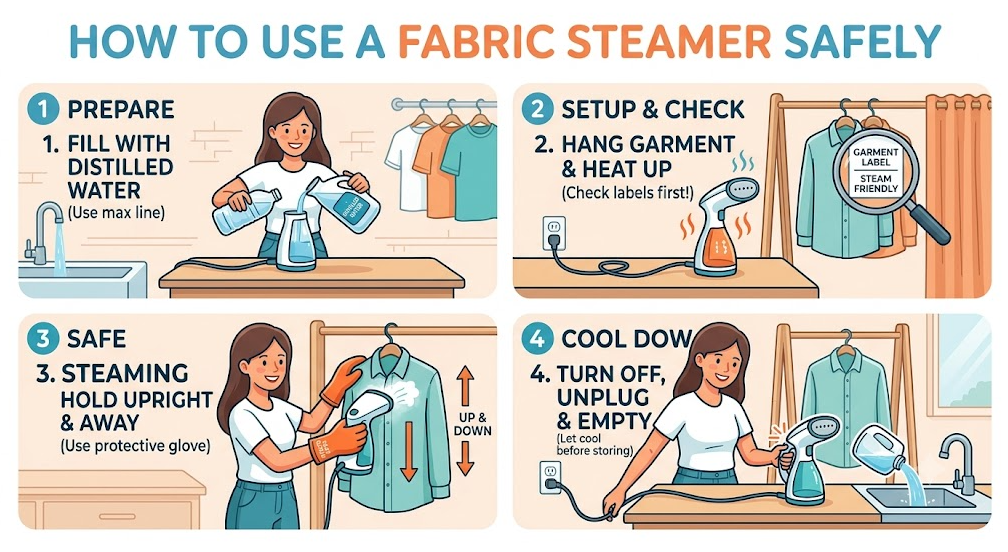
Steam can cause serious burns because it reaches high temperatures. Safety should always come before convenience.
Never point a steam nozzle toward your skin, another person, or an animal. Even a short burst can cause injury.
Important Steam Safety Rules
• Keep your hands away from the steam outlet. Steam may not always be visible, but it can still be extremely hot.
• Never leave a hot steamer unattended. Switch it off and unplug it when you finish using it or whenever you need to step away.
• Keep children and pets away. Store the appliance safely after use and prevent accidental contact with hot components.
• Use a stable electrical outlet. Follow the manufacturer’s electrical requirements and avoid using damaged cords or plugs.
• Do not operate a damaged appliance. If you notice leaks, electrical problems, unusual smells, or damaged components, discontinue use.
• Allow the appliance to cool before storage. Hot water and internal components can remain dangerous even after the device has been switched off.
Also Read:- How to Measure a TV: Easy Step-by-Step Guide for Accurate Screen Size Measurement
How to Get Better Results When Steaming Clothes
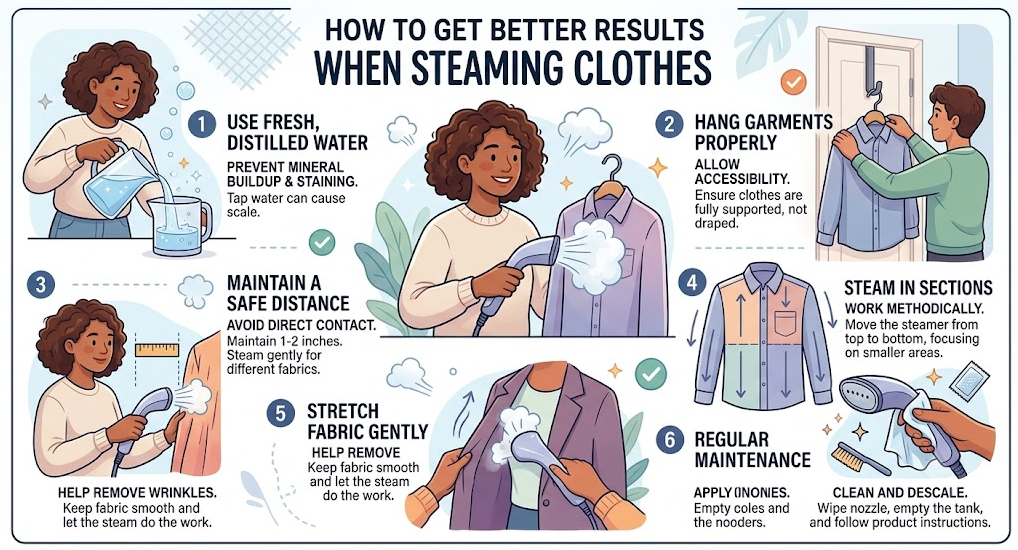
Even when you know the basic process, small technique improvements can make steaming faster and more effective.
The key is to combine heat, controlled movement, gravity, and patience. You do not necessarily need maximum steam power for every garment.
Practical Tips for Wrinkle-Free Results
• Steam garments immediately after removing them from storage. Wrinkles are often easier to remove before they become deeply set.
• Use a suitable hanger. A strong hanger keeps the garment stable and allows you to reach difficult areas.
• Steam the inside when appropriate. Some garments respond well when steam reaches both sides, but avoid excessive moisture.
• Focus on problem areas first. Collars, cuffs, hems, and seams often require additional attention.
• Give the fabric time to relax. Do not rush by repeatedly applying intense steam. Work methodically and let the fibers respond.
• Let clothes dry before wearing. This gives the fabric time to settle and reduces the chance of new wrinkles.
Also Read:- How to Calculate Square Footage of a Roof: Step-by-Step Guide for Accurate Roofing Measurements
Can Steaming Replace Washing or Dry Cleaning?
No. Steaming and cleaning serve different purposes.
A garment steamer can help remove wrinkles and refresh the appearance of suitable clothing. However, steaming does not replace washing or professional cleaning when a garment contains dirt, stains, oils, or other contaminants.
If a clothing label says “dry clean only,” follow that instruction. Similarly, heavily soiled garments should receive the cleaning method recommended by the manufacturer.
Understanding What Steaming Can and Cannot Do
• Steaming can reduce visible wrinkles. This is the primary purpose of garment steaming.
• Steaming can refresh some garments. It may help clothing look fresher between full cleaning cycles when the care instructions allow it.
• Steaming does not remove every stain. Oil, food, ink, and other stains often require specialized treatment.
• Steaming does not replace laundering. Clothing that needs washing should be washed according to its care label.
• Professional cleaning may be necessary. Some specialty fabrics and structured garments require professional care.
• Always follow care instructions. The garment manufacturer knows the construction and material requirements better than a general steaming guide.
Also Read:- How Is UploadBlog.com Different From Other Blogging Platforms? Key Features Explained
Authoritative External References to Consider
For trustworthy information, consider referencing authoritative sources rather than relying only on commercial blogs.
• U.S. Consumer Product Safety Commission (CPSC): Useful for general household product and burn-safety information.
• American Cleaning Institute (ACI): A helpful source for cleaning and fabric-care education.
• Federal Trade Commission (FTC): Useful for consumer guidance and product-related information.
• Manufacturer care instructions: The appliance manufacturer and clothing brand should be your primary sources for model-specific and fabric-specific recommendations.
• Textile care organizations: Industry and educational textile resources can provide additional information about fabric properties and care practices.
When linking externally, prioritize original sources, established organizations, and manufacturer documentation. Avoid citing low-quality websites that make unsupported claims about steam cleaning.
Also Read:- How to Pack a Suitcase Efficiently for Stress-Free Travel in 2026
Conclusion
Learning how to use a steamer correctly can simplify clothing care and certain household cleaning tasks. The most important principles are straightforward: read the care label, follow the appliance instructions, use the correct water, maintain a safe distance, and avoid applying steam to materials that cannot tolerate heat or moisture.
For clothing, hang the garment securely and work from top to bottom using controlled movements. Let steam relax the fibers rather than relying on excessive heat. For curtains and upholstery, always test a hidden area first and prevent the material from becoming overly wet.
Maintenance also matters. Regular cleaning, proper storage, and appropriate water use can help your steamer perform consistently over time.
Most importantly, remember that steam is a tool, not a universal solution. A steamer can be excellent for wrinkle removal and suitable cleaning applications, but it cannot replace washing, professional cleaning, or specialized care when those methods are required.
When you combine the right technique with careful attention to fabric and surface requirements, steaming becomes a practical and efficient part of your home-care routine.
FAQs
How do you use a steamer?
Fill the tank, turn it on, let it heat, and move the steam head slowly over the fabric.
Can I steam all types of clothes?
No. Always check the care label before steaming delicate or heat-sensitive fabrics.
Is steaming better than ironing?
Steamers are great for quick wrinkle removal, while irons are better for sharp creases.
Can I use tap water in a steamer?
Check the manufacturer’s instructions. Some steamers require distilled or filtered water.
Can a steamer remove stains?
Steam can loosen some dirt, but it does not replace proper stain treatment or washing.
How close should I hold a steamer to clothes?
Follow the appliance instructions and keep a safe distance suitable for the fabric.
Can I steam curtains?
Yes, if the fabric is steam-safe. Test a hidden area first.
How do I clean a steamer?
Follow the manufacturer’s descaling and cleaning instructions to prevent mineral buildup.
Can steaming damage clothes?
Yes. Excessive heat or moisture can damage some fabrics, so always check the care label first.
How long does it take to steam a shirt?
A lightly wrinkled shirt usually takes only a few minutes, depending on the fabric and steamer.
Visit for More information : Multiple Magazines