 Admin
Admin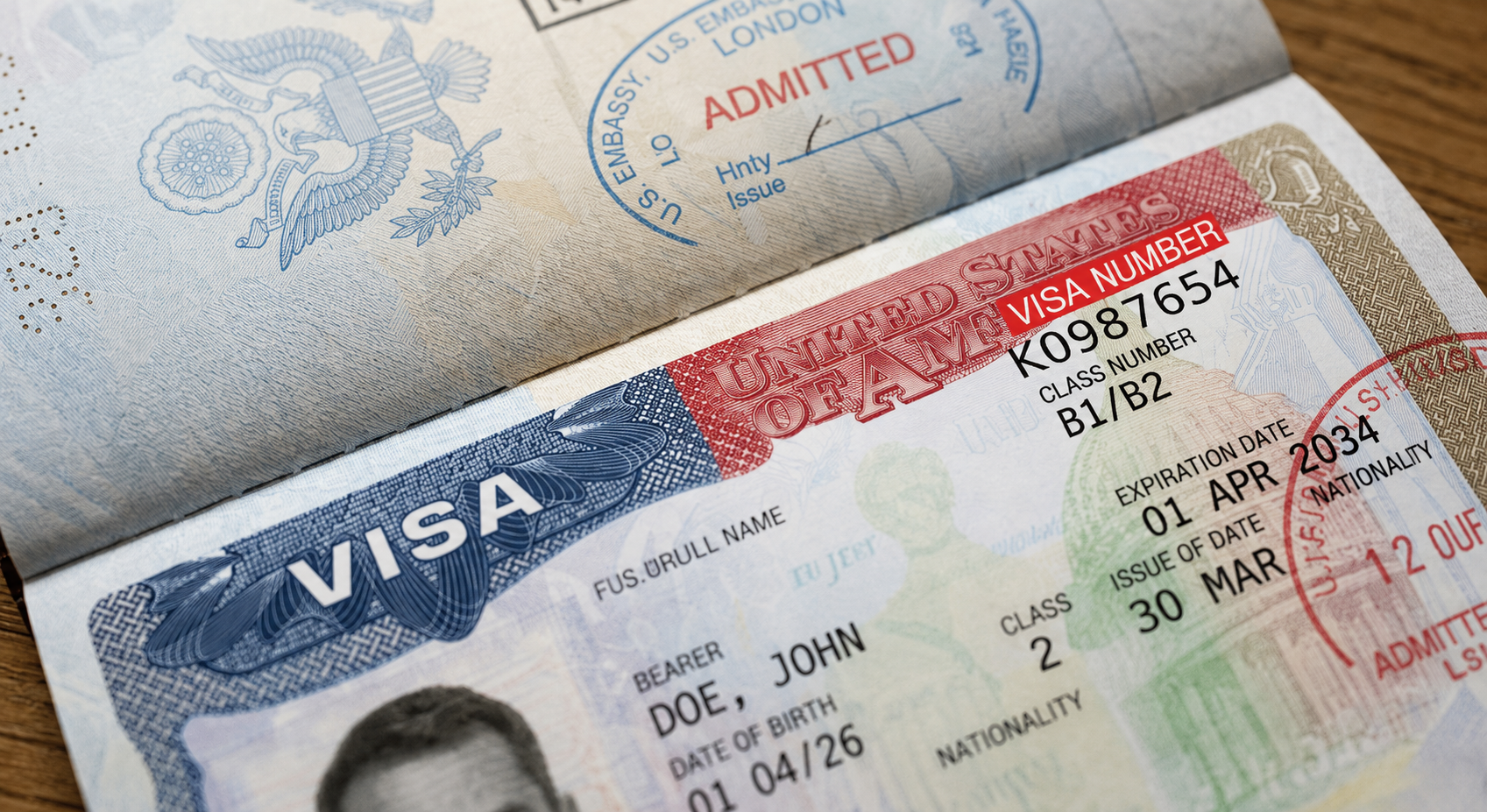
The us visa number refers to a unique identification number printed on a U.S. visa stamp inside a passport. The U.S. Department of State assigns this number to each issued visa to help track and verify visa records in official immigration systems. It usually appears in red ink on the visa foil and serves as a key reference for identifying the specific visa type, validity period, and issuance details. This number plays an important role in confirming that a visa is genuine and properly recorded in government databases.
The us visa number is not the same as a passport number or application number, which often confuses many travelers. The passport number identifies the travel document issued by your country, while the visa number identifies the visa itself issued by the United States. Immigration officers use the visa number during entry checks and verification processes at U.S. ports of entry. Understanding this difference helps applicants avoid mistakes and manage their travel documents more accurately when entering or re-entering the United States.
Where to Find US Visa Number on Passport
The us visa number appears directly on the visa stamp (also called the visa foil) inside your passport. You can usually find it on the right side of the visa page, printed in red ink. This number stands out clearly from other printed details such as your name, visa type, and expiration date. It serves as a quick reference for immigration officers to verify your visa information when you travel to the United States.
To locate it, open your passport to the page with the U.S. visa sticker and look carefully at the lower or right-hand section of the stamp. The number is often labeled as “Visa Number” or may appear without a label, but it remains easy to identify due to its distinct placement and color. Travelers should always double-check this number when filling out immigration or travel forms to ensure accuracy and avoid processing issues.
US Visa Number Format and Details
The us visa number typically appears as an 8-digit number printed in red ink on the U.S. visa stamp inside the passport. This number does not follow a publicly fixed pattern, but it always remains unique for each issued visa. The U.S. Department of State uses it as a tracking identifier within its immigration database, helping officials quickly verify visa records during travel checks or administrative processing.
In most cases, the us visa number is easy to identify because of its distinct placement on the visa foil, usually on the right-hand side. It is separate from other information such as the visa category (B1/B2, F1, H1B), issue date, and expiration date. Travelers should carefully note this number when completing official forms or immigration documents, as it may be required for verification or record matching in certain situations.
Difference Between Visa Number and Other Immigration Numbers
The us visa number often gets confused with other immigration identifiers, but each number serves a different purpose in the U.S. immigration system. The visa number identifies the physical visa stamp placed in your passport and helps immigration officers verify your visa record. In contrast, the passport number identifies the travel document issued by your home country, not the visa itself. Another commonly confused identifier is the DS-160 confirmation number, which relates only to the visa application form submitted before approval.
Other immigration numbers, such as the SEVIS ID for student visas or the USCIS receipt number for immigration cases, serve separate tracking functions within U.S. government systems. The us visa number specifically connects to your issued visa and appears on the visa foil, while these other numbers relate to application processing or immigration status management. Understanding these differences helps travelers avoid mistakes when filling out forms, checking visa status, or communicating with immigration authorities.
Importance of US Visa Number
The us visa number plays a key role in verifying and managing a traveler’s entry into the United States. Immigration officers use this number to quickly access visa details such as visa type, validity period, and issuance record. This helps ensure that only individuals with valid and properly issued visas enter the country. Because of this, the visa number becomes an essential part of border security and identity verification during travel checks.
The us visa number also helps travelers in administrative and documentation processes. Many official forms, travel records, and verification systems may require this number to confirm visa authenticity. It also supports accurate tracking within U.S. government databases, ensuring that each visa remains properly linked to its holder. Understanding its importance helps applicants avoid errors and handle immigration procedures more confidently and correctly.
Common Mistakes People Make About Visa Numbers
| Mistake | Explanation |
|---|---|
| Confusing visa number with passport number | Many travelers think both numbers are the same, but they identify different documents |
| Not locating the number correctly | Some people check the wrong area of the visa page instead of the red printed number |
| Mixing visa number with DS-160 number | The DS-160 is an application number, not the issued visa number |
| Ignoring number during form filling | Missing or incorrect entry of the us visa number can cause delays |
| Assuming all visas have same format | Visa number formats can vary but remain unique for each visa |
The us visa number often creates confusion among applicants because it looks similar to other identification numbers used in the immigration process. Understanding common mistakes helps travelers avoid errors when completing forms or verifying their visa details.
Being aware of these issues ensures smoother processing during travel and reduces the risk of documentation problems at airports or consulates.
How to Use US Visa Number for Verification
The us visa number helps officials and travelers verify visa authenticity in official systems. Immigration officers use this number at U.S. entry points to confirm visa validity and match it with government records. When travelers arrive at airports or border checkpoints, the visa number allows quick access to essential details such as visa type, expiration date, and issuance history. This ensures that only valid visa holders gain entry into the country.
Travelers may also use the us visa number during administrative processes such as form filling, status checks, or communication with immigration authorities. In some cases, institutions like universities or employers may request this number for verification purposes. Because it connects directly to official visa records, it helps maintain accuracy and consistency across different systems, making it an important reference for both travelers and government agencies.
Conclusion
The us visa number serves as an important identifier that helps verify and track U.S. visa records. It appears on the visa stamp inside a passport and allows immigration officers to quickly confirm visa details such as type, validity, and issuance information. Understanding where to find this number and how it differs from other immigration identifiers helps travelers avoid confusion during documentation and travel procedures.
Overall, the us visa number plays a key role in ensuring smooth immigration processing and accurate record-keeping within U.S. systems. By knowing how to locate and use it correctly, travelers can handle visa-related tasks with greater confidence and avoid common mistakes.
FAQs
What is a US visa number?
It is a unique number printed on a U.S. visa stamp used for identification and verification.
Where can I find my US visa number?
You can find it on the visa sticker inside your passport, usually printed in red ink.
Is the visa number the same as the passport number?
No, the visa number identifies the visa, while the passport number identifies your travel document.
How many digits does a US visa number have?
It usually contains 8 digits, but the format may vary depending on the visa type.
Visit for More information : Multiple Magazines