 Admin
Admin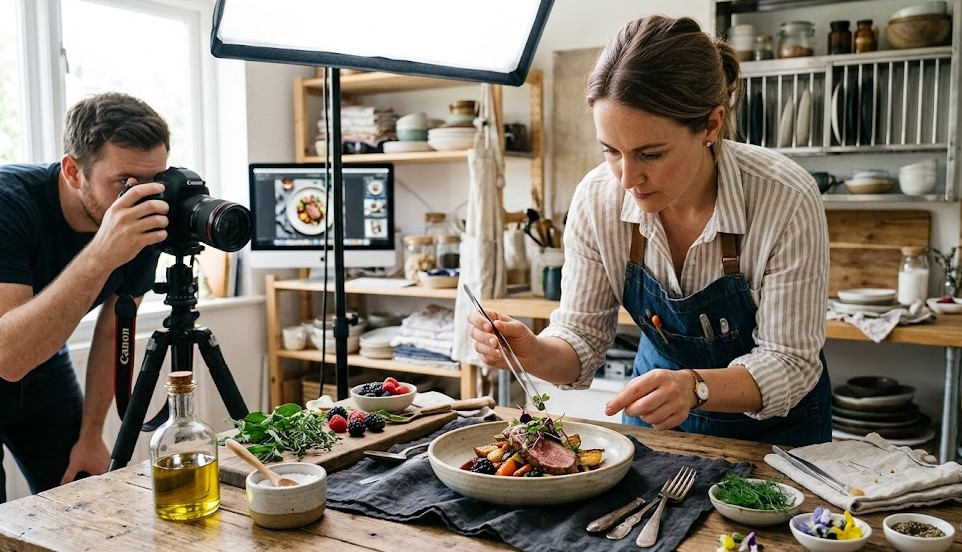
A food stylist is a creative professional who prepares, arranges, and presents food for photography, video productions, advertising campaigns, cookbooks, restaurant menus, packaging, and social media content. The main responsibility of a food stylist is to make food look visually appealing while ensuring it matches the brand’s message and marketing goals. Unlike chefs, who focus primarily on taste and preparation, food stylists concentrate on appearance, composition, and presentation. They work closely with photographers, art directors, marketers, and content creators to create images that attract attention and encourage consumer engagement. As digital marketing and visual content continue to grow, the demand for skilled food stylist professionals has increased across the food, media, and advertising industries.
Food styling combines culinary knowledge with artistic creativity. A food stylist carefully selects ingredients, adjusts textures, chooses serving dishes, and arranges every element within a scene to create the perfect visual effect. Even small details such as the placement of herbs, the shine on fresh vegetables, or the angle of a dessert can influence how viewers perceive a dish. Successful food stylists understand color theory, lighting, composition, and current food photography trends, allowing them to transform ordinary meals into compelling visual content. Their work plays a significant role in helping restaurants, food brands, publishers, and advertisers present products in a way that captures audience interest and supports business growth.
Key Responsibilities of a Food Stylist
A food stylist handles much more than simply arranging food on a plate. Their daily responsibilities include selecting high-quality ingredients, preparing dishes for photography or video shoots, and ensuring that every item looks fresh and appealing under studio lighting. They often work with photographers and creative directors to achieve a specific visual concept that aligns with a brand’s marketing objectives. Before a shoot begins, food stylists may test recipes, plan presentations, and gather props such as plates, utensils, linens, and decorative elements that complement the overall theme. Attention to detail is essential because even minor imperfections can become noticeable in high-resolution images.
During photo and video productions, a food stylist continuously monitors the appearance of the food and makes adjustments whenever necessary. They may replace ingredients, reposition garnishes, add texture, or refresh dishes to maintain a consistent look throughout the shoot. Many projects require long hours, making it important to keep food looking appetizing despite changes in temperature, lighting, and time. Food stylists also collaborate with marketing teams to ensure the final visuals accurately represent the product while remaining attractive to consumers. Their ability to combine creativity, organization, and technical knowledge helps create compelling food imagery that supports advertising campaigns, restaurant promotions, cookbooks, and social media content.
Essential Skills Every Food Stylist Needs
A successful food stylist combines culinary expertise with artistic creativity to produce visually appealing food presentations. One of the most important skills is a strong understanding of food preparation and ingredient behavior. Different foods react differently to heat, lighting, and time, so a food stylist must know how to maintain freshness and visual appeal throughout a photo or video shoot. Creativity is equally important because food stylists often develop unique presentations that capture attention and support a brand’s identity. Knowledge of color coordination, composition, and visual balance helps them create images that look attractive and professional across various media platforms.
In addition to creative abilities, a food stylist needs excellent communication, organization, and problem-solving skills. They frequently collaborate with photographers, art directors, chefs, and marketing professionals, making teamwork essential for successful projects. Time management also plays a major role because commercial shoots often operate on strict schedules and budgets. Attention to detail allows food stylists to perfect every aspect of a dish, from garnish placement to texture enhancement. As social media and digital advertising continue to influence consumer behavior, food stylists who stay updated on photography trends, content creation techniques, and visual marketing strategies can build stronger portfolios and create more opportunities for long-term career growth.
Educational Requirements and Training Paths
There is no single educational path required to become a food stylist, but a background in culinary arts, hospitality, photography, or visual design can provide a strong foundation for success. Many aspiring food stylists attend culinary schools to learn food preparation techniques, ingredient handling, and kitchen management. This knowledge helps them understand how different foods behave under various conditions and how to present dishes in the most appealing way. Others enter the profession through photography, marketing, or design programs, where they develop skills related to composition, color theory, and visual storytelling. Regardless of the educational route, practical experience remains one of the most valuable assets in this field.
Hands-on training often plays a bigger role than formal qualifications in building a career as a food stylist. Many professionals begin by assisting experienced food stylists on commercial shoots, cookbook projects, or advertising campaigns. These opportunities provide real-world experience and allow newcomers to learn industry standards, client expectations, and production workflows. Workshops, online courses, and food photography classes can further enhance technical and creative skills. By combining education with practical experience, aspiring food stylists can build a strong portfolio, develop industry connections, and gain the confidence needed to secure freelance assignments or full-time positions in the competitive food styling industry.
Food Stylist Salary and Career Opportunities
The earning potential of a food stylist varies depending on experience, location, specialization, and the types of clients they serve. Entry-level professionals often start with smaller projects for local restaurants, food bloggers, or marketing agencies, while experienced food stylists can secure high-paying assignments from major food brands, publishers, and advertising agencies. Freelance food stylists usually set their own rates based on project scope and expertise, which can create opportunities for higher earnings as their reputation grows. Building a strong portfolio and maintaining long-term client relationships often plays a significant role in increasing income over time.
Career opportunities for a food stylist continue to expand as businesses invest more heavily in digital marketing and visual content. Food stylists can work on restaurant menus, product packaging, cookbook publications, television commercials, social media campaigns, and e-commerce photography. Some professionals specialize in specific areas such as beverage styling, dessert styling, or commercial advertising, while others offer a broader range of services. The growth of online food content, influencer marketing, and food delivery platforms has created additional demand for visually appealing food imagery, making food styling an attractive career choice for creative individuals who enjoy combining culinary knowledge with visual storytelling.
How to Build a Successful Food Styling Portfolio
A strong portfolio is one of the most valuable tools for any food stylist because it demonstrates creativity, technical ability, and professional experience to potential clients. Beginners can start by creating personal projects that showcase different types of food, presentation styles, and photography concepts. Including a variety of images such as restaurant dishes, desserts, beverages, and commercial-style product shots helps highlight versatility and adaptability. Each portfolio piece should reflect attention to detail, strong composition, and an understanding of current visual trends. High-quality images often speak louder than qualifications, making portfolio development a critical step in building a successful career.
As a food stylist gains experience, regularly updating the portfolio becomes essential for attracting new opportunities. Collaborating with photographers, chefs, food bloggers, and local businesses can provide valuable content while expanding professional networks. Many successful food stylists create online portfolios through personal websites and social media platforms, allowing potential clients to view their work easily. Showcasing before-and-after examples, behind-the-scenes projects, and completed commercial campaigns can further strengthen credibility. A well-organized portfolio not only demonstrates skill but also helps establish a personal brand that distinguishes a food stylist from competitors in a growing and highly visual industry.
Challenges and Rewards of Being a Food Stylist
Working as a food stylist offers many exciting opportunities, but it also comes with unique challenges that require patience and adaptability. Food photography and video productions often involve tight deadlines, long working hours, and frequent adjustments to achieve the perfect shot. Certain foods lose their freshness quickly under studio lighting, which means stylists must continuously refresh ingredients and make precise corrections throughout the shoot. Client expectations can also vary significantly, requiring food stylists to balance creativity with specific branding requirements. Managing multiple projects while maintaining consistent quality demands strong organizational skills and attention to detail.
Despite these challenges, many professionals find the career highly rewarding because it combines artistic expression with culinary creativity. A food stylist has the opportunity to work on diverse projects ranging from restaurant advertising and cookbook publications to television commercials and social media campaigns. Seeing their work featured in magazines, advertisements, packaging, and digital platforms can provide a strong sense of accomplishment. The profession also offers flexibility for freelancers who enjoy working with different clients and industries. For individuals who appreciate both food and visual storytelling, food styling can provide a fulfilling career with continuous opportunities for learning, networking, and creative growth.
Tips to Succeed as a Professional Food Stylist
To succeed as a food stylist, consistency, creativity, and continuous learning are essential. One of the most effective strategies is to stay updated with modern food photography trends, social media aesthetics, and advertising styles. Since visual content evolves quickly, successful food stylists regularly experiment with new presentation techniques, lighting styles, and plating concepts. Building a habit of studying professional food photography and analyzing high-quality campaigns can help improve creative direction and inspire fresh ideas for future projects.
Networking also plays a major role in long-term success as a food stylist. Building strong relationships with photographers, chefs, marketers, and content creators can lead to more opportunities and collaborations. Many professionals begin their careers by assisting experienced stylists, which provides valuable hands-on experience and industry exposure. Maintaining a strong online presence through social media and portfolio websites can further increase visibility and attract clients. By combining skill development, professional networking, and a strong personal brand, a food stylist can establish a stable and rewarding career in this competitive industry.
Future Trends in Food Styling
The future of the food stylist profession is closely linked to the rapid growth of digital media, social platforms, and visual marketing. As brands continue to compete for attention online, the demand for high-quality food imagery is expected to increase significantly. Food stylists are now working more with short-form video content, especially for platforms like Instagram Reels, TikTok, and YouTube Shorts, where visually engaging food presentation plays a key role in audience engagement. This shift means food stylists must adapt their techniques to create content that is not only attractive but also dynamic and fast-paced.
Another emerging trend for a food stylist is the integration of technology in food photography and styling workflows. Artificial intelligence, advanced editing tools, and virtual food staging are beginning to influence how food content is created and presented. Sustainability is also becoming an important focus, with brands preferring eco-friendly props, locally sourced ingredients, and waste-reducing production practices. As consumer preferences evolve, food stylists who embrace innovation, digital tools, and sustainable practices will have stronger career opportunities and long-term industry relevance.
Conclusion
A food stylist plays a vital role in shaping how food is seen, perceived, and appreciated in today’s highly visual world. From advertisements and cookbooks to social media campaigns and television productions, food stylists transform ordinary dishes into compelling visual stories that attract attention and influence consumer behavior. This career blends culinary knowledge, creativity, and technical precision, making it ideal for individuals who enjoy both food and artistic expression. As digital marketing continues to expand, the importance of skilled food stylists will only grow, offering more opportunities across media, advertising, and food industries.
For anyone interested in becoming a food stylist, success depends on continuous learning, strong portfolio development, and the ability to adapt to evolving trends. Whether working independently or with creative teams, food stylists must balance aesthetics with practicality to deliver visually stunning results under real-world conditions. With dedication, creativity, and the right experience, this profession can become a rewarding and sustainable career path.
FAQs
What does a food stylist do?
A food stylist prepares and presents food in an attractive way for photography, advertising, and media content.
Do food stylists need a degree?
No specific degree is required, but culinary arts, photography, or design training can be very helpful.
How much does a food stylist earn?
Income varies based on experience and projects, but experienced food stylists working with major brands can earn significantly higher rates.
Is food styling a good career?
Yes, it is a growing creative career with increasing demand in advertising, social media, and food marketing industries.
Visit for More information : Multiple Magazines