 Admin
Admin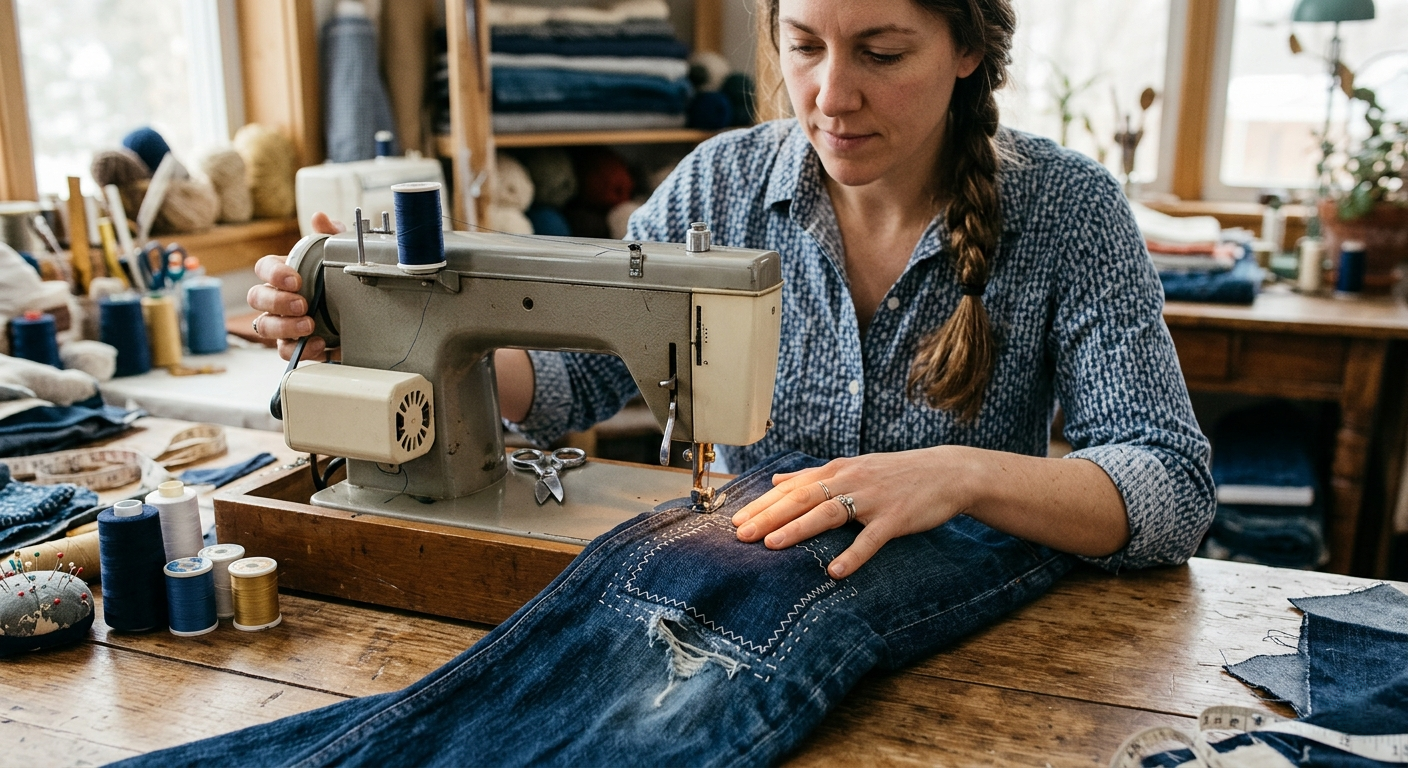
Learning how to patch jeans has become increasingly important because denim is one of the most durable yet commonly damaged clothing materials. Small tears, worn knees, frayed hems, and inner thigh holes often appear after regular use, causing many people to replace jeans that could still be worn for years. Repairing damaged denim helps save money, reduces clothing waste, and supports sustainable fashion practices. In addition, patched jeans can reflect personal style, whether the repair is nearly invisible or intentionally decorative. Understanding how to patch jeans allows anyone to extend the life of their favorite denim while avoiding unnecessary replacement costs and keeping perfectly usable clothing out of landfills.
Common Types of Jeans Tears and Damage
Before learning how to patch jeans, it is important to understand the different types of damage that commonly affect denim. Knee holes, inner thigh wear, pocket tears, ripped seams, and frayed hems are among the most frequent problems. Areas that experience constant movement or friction usually wear out first, especially around the knees and crotch. Identifying the type of damage helps determine the best repair method, whether it involves a simple patch, reinforcement stitching, or machine darning. Early repairs can prevent small holes from becoming larger tears, making the restoration process easier and helping jeans last much longer.
Tools and Materials Needed to Patch Jeans
Having the right tools and materials makes how to patch jeans much easier and produces stronger, longer-lasting repairs. Basic supplies include denim patches, sewing needles, strong thread, scissors, pins, and fabric chalk for marking damaged areas. Some people also use iron-on patches, fabric adhesive, or a sewing machine for faster repairs. Choosing a patch that closely matches the weight and color of the original denim helps create a more natural appearance. Preparing these materials before starting the repair process saves time and ensures that the patched area remains durable through regular washing and everyday wear.
How to Patch Jeans by Hand
Learning how to patch jeans by hand is one of the easiest and most affordable ways to repair damaged denim. Start by trimming loose threads around the hole and placing a denim patch behind the torn area. Secure the patch with pins and use a strong needle with durable thread to sew around the edges. Small stitches placed closely together provide better support and help prevent the tear from spreading further. Hand sewing works especially well for knee holes, pocket tears, and small worn areas that do not require a sewing machine.
Hand patching also gives users greater control over the appearance of the repair. Matching thread creates a nearly invisible fix, while contrasting thread can produce a decorative look. Techniques such as running stitches, whip stitches, or visible mending can strengthen the damaged area while adding character to the jeans. This method requires patience, but it allows beginners to repair their favorite denim at home using simple tools and minimal cost.
How to Use Iron-On Patches for Quick Repairs
Iron-on patches provide one of the fastest methods for anyone learning how to patch jeans. These patches contain heat-activated adhesive that bonds to the denim when pressed with an iron. To apply them, place the patch over or behind the damaged area, cover it with a thin cloth, and press the iron firmly for the recommended amount of time. This method works well for small holes, torn knees, and worn sections that need immediate reinforcement without sewing.
Although iron-on patches offer convenience, they may become loose after repeated washing and heavy use. Many people strengthen the repair by adding a few stitches around the edges after ironing the patch in place. Choosing a patch that closely matches the color and thickness of the original denim helps create a cleaner appearance. For quick repairs and beginner-friendly results, iron-on patches remain a popular option for extending the life of damaged jeans.
Machine Sewing Techniques for Strong Denim Repairs
Using a sewing machine is one of the most durable methods for how to patch jeans, especially when repairing large holes or heavily worn areas. A denim patch is usually placed behind the damaged section and secured with pins before stitching. Straight stitches, zigzag stitches, and darning techniques help reinforce the fabric and distribute tension across the repaired area. Sewing machines create stronger seams than hand stitching, making them ideal for high-stress areas such as the knees, inner thighs, and seat of the jeans.
Machine repairs also provide a cleaner and more professional appearance. Matching thread can make the repair less noticeable, while decorative stitching can add a unique design element to the denim. Repeated stitching over weak areas strengthens the fabric and helps prevent future tears. Although this method requires basic sewing skills and equipment, it offers long-lasting results that can significantly extend the life of a favorite pair of jeans.
Decorative and Visible Mending Ideas
Decorative and visible mending has become a popular approach for people who want to learn how to patch jeans while adding a creative touch to their denim. Instead of hiding repairs, this method highlights them through colorful thread, patterned fabric patches, embroidery, or traditional stitching styles such as sashiko. Visible mending turns damaged areas into unique design features and allows old jeans to reflect personal style while remaining fully functional.
Many people use contrasting denim patches, geometric shapes, or artistic stitching to create customized repairs that stand out. This technique not only strengthens worn areas but also gives old jeans a fresh appearance without purchasing new clothing. Decorative mending supports sustainable fashion by encouraging people to reuse and personalize their garments, making every repaired pair of jeans different and more meaningful.
Tips to Make Patched Jeans Last Longer
When learning how to patch jeans, it is just as important to know how to maintain the repair so it lasts. One of the most effective tips is to reinforce high-stress areas with extra stitching, especially around knees and inner thighs where friction is highest. Washing jeans inside out in cold water also helps protect both the denim and the patched area from unnecessary wear. Avoiding harsh detergents and tumble drying can further extend the strength of the repair.
Another important practice is checking your jeans regularly for early signs of wear. Small thinning areas can be reinforced before they turn into full tears, making future repairs much easier. Using a backing fabric that matches the weight of the original denim also improves durability. By combining careful maintenance with strong repair techniques, patched jeans can remain usable and comfortable for a long time without losing their structure or style.
Common Mistakes to Avoid When Repairing Jeans
When learning how to patch jeans, avoiding common mistakes can make a big difference in the durability and appearance of your repair. One frequent error is using a patch that is too thin or not suitable for denim weight, which causes the repair to wear out quickly. Another mistake is ignoring frayed edges around the hole, which can continue to unravel even after patching. Skipping proper reinforcement stitching also reduces the strength of the repair, especially in high-stress areas like the knees or inner thighs.
Another common issue is rushing the process and not securing the patch properly before sewing or ironing. This can lead to uneven placement and weak adhesion. Some people also choose thread colors that do not match the fabric when they want an invisible repair, making the patch too noticeable. Taking time to prepare, align, and stitch carefully ensures a stronger and more professional-looking result that keeps your jeans wearable for much longer.
Conclusion
Learning how to patch jeans is a simple yet valuable skill that helps extend the life of denim while reducing clothing waste. Instead of discarding damaged jeans, small tears and worn areas can be repaired using basic tools, hand stitching, iron-on patches, or machine sewing techniques. Each method offers different levels of strength and appearance, allowing you to choose between invisible repairs or creative visible mending styles. With proper care and reinforcement, patched jeans can remain durable, comfortable, and stylish for long-term use, making denim repair both practical and sustainable.
FAQs
What is the easiest way to patch jeans?
Iron-on patches are the easiest method because they require no sewing and can be applied quickly with heat.
Can I patch jeans without a sewing machine?
Yes, hand stitching works very well and is commonly used for small to medium-sized tears.
How long do patched jeans last?
With proper stitching and care, patched jeans can last for years depending on usage and maintenance.
What fabric is best for patching jeans?
Denim fabric that matches the weight of the original jeans is the best choice for strong and lasting repairs.
Visit for More information : Multiple Magazines