 Admin
Admin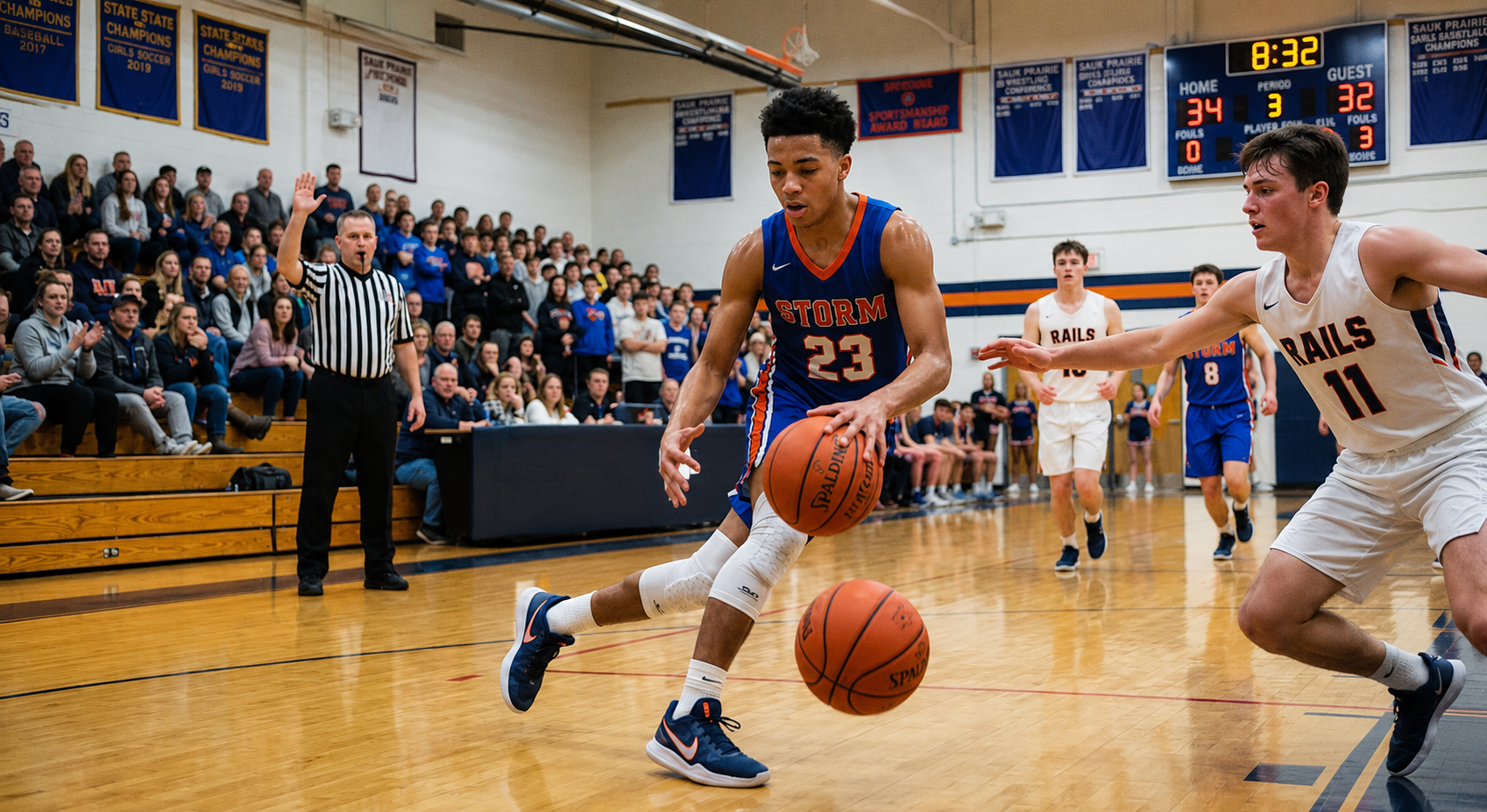
The double dribble rule in basketball aims to prevent players from gaining an unfair advantage while controlling the ball. According to official basketball rules, a player cannot stop dribbling and then start dribbling again. Once a player places both hands on the ball or fully holds it, the dribble ends. If the player starts dribbling again after this point, officials call it a double dribble violation, and they immediately award possession to the opposing team. This rule maintains fairness and keeps the game flowing smoothly without repeated interruptions or illegal ball control.
Another important aspect of the double dribble rule is that a player cannot dribble the ball using both hands at the same time. Each dribble must use only one hand, and players cannot switch to two-hand control while dribbling. Referees closely watch these mistakes during fast-paced gameplay, especially when defenders apply pressure. This rule encourages better ball-handling skills and ensures that players rely on proper techniques rather than repeated or improper dribbling actions.
How a Double Dribble Violation Occurs
A double dribble violation usually happens when a player makes an illegal move while controlling the basketball. One of the most common situations is when a player stops dribbling, holds the ball, and then starts dribbling again. This often occurs when a player is trying to escape pressure from defenders but mistakenly restarts the dribble after already ending it. As soon as this action happens, the referee immediately stops the play and calls a double dribble violation, giving possession of the ball to the opposing team.
Another way a double dribble occurs is when a player uses both hands to dribble the ball at the same time. This often happens when beginners or inexperienced players lose control during fast movement or defensive pressure. In some cases, players may also accidentally violate the rule when they lose balance and try to regain control of the ball incorrectly. These situations highlight the importance of proper ball-handling skills and awareness during gameplay, especially in high-pressure moments where quick decisions are required.
Real Game Examples of Double Dribble
In real basketball games, a double dribble often happens during high-pressure situations where players try to escape tight defense. For example, a point guard driving toward the basket may stop dribbling to avoid a defender, hold the ball for a moment, and then accidentally start dribbling again. Even though the action may seem small, referees immediately recognize it as a violation. This kind of mistake is common in both amateur and professional games because players often make split-second decisions under stress.
Another real-game example of a double dribble occurs when young or inexperienced players lose control of the ball during fast breaks. A player might start dribbling with one hand, briefly touch the ball with both hands to stabilize it, and then continue dribbling. This is not allowed in official basketball rules. In professional matches, such errors are rare but still happen when players are tightly guarded or trying to change direction quickly. These examples show how important control and discipline are in maintaining legal ball handling during competitive play.
Common Mistakes Players Make
One of the most frequent mistakes that leads to a double dribble violation is losing awareness of dribble status during gameplay. Many players, especially beginners, forget whether they have already ended their dribble. When they face defensive pressure, they may instinctively pick up the ball and then try to dribble again, which results in an automatic violation. This usually happens in fast-paced situations where players focus more on escaping defenders than on maintaining proper ball control rules.
Another common error occurs when players accidentally use both hands while dribbling. This often happens when trying to protect the ball from opponents or when changing direction quickly. Instead of keeping control with one hand, they briefly touch or guide the ball with both hands, which is not allowed under basketball rules. Poor handling technique, lack of practice, and panic under pressure are key reasons behind these mistakes. Improving basic dribbling skills can significantly reduce the chances of committing a double dribble violation during a match.
Referee Signals for Double Dribble
When a double dribble occurs during a basketball game, the referee uses a clear and standardized hand signal to stop the play and indicate the violation. The official signal involves the referee making a dribbling motion with both hands simultaneously, showing that the player has illegally used or restarted the dribble. This gesture is designed to be easily understood by players, coaches, and spectators, even in a fast-moving game environment.
After signaling the double dribble, the referee immediately blows the whistle to stop the game and awards possession of the ball to the opposing team. This quick action helps maintain order and ensures that the rules are enforced consistently. Referees are trained to spot even small violations, especially in high-pressure situations near the basket or during fast breaks. Their clear signaling system plays an important role in keeping the game fair and transparent for both teams.
Impact of Double Dribble on Game Strategy
A double dribble can significantly affect a team’s overall game strategy because it results in an immediate turnover. When a team loses possession due to this violation, it not only breaks their offensive momentum but also gives the opposing team a chance to score. In close matches, even a single turnover like a double dribble can change the direction of the game. Coaches often emphasize ball control and awareness to avoid such mistakes, especially in high-pressure situations where every possession matters.
From a tactical point of view, the risk of a double dribble forces players to make smarter decisions with the ball. Ball handlers must be more cautious when driving through defenders or changing direction quickly. Teams also design plays that reduce pressure on primary dribblers to minimize the chance of violations. In professional basketball, maintaining clean ball-handling is a key part of winning strategy, and avoiding unnecessary errors like a double dribble helps teams maintain control and rhythm throughout the game.
How to Avoid a Double Dribble
Avoiding a double dribble starts with strong fundamental ball-handling skills. Players must practice consistent dribbling techniques so they clearly understand when their dribble begins and ends. Coaches often train athletes to keep one hand on the ball while maintaining control and to avoid picking up the ball unless they are fully ready to pass or shoot. Repetition drills, slow-motion practice, and controlled scrimmage sessions help players build muscle memory and reduce mistakes during real games.
Another important way to avoid a double dribble is by improving court awareness and decision-making under pressure. Players should learn to scan the court before picking up the ball so they know their next move in advance. Staying calm when facing defenders also reduces panic-based errors that often lead to violations. Good communication with teammates and proper spacing on the court further support better ball control, making it easier for players to maintain legal dribbling throughout the game.
Conclusion
In conclusion, the double dribble is a fundamental basketball rule that helps maintain fairness, structure, and smooth gameplay. It occurs when a player illegally restarts dribbling after stopping or uses both hands while dribbling. Although it may seem like a small mistake, it can have a big impact on the flow of the game by causing turnovers and giving possession to the opposing team. Understanding this rule is essential for players at all levels, from beginners learning the basics to professionals competing in high-stakes matches.
The importance of avoiding a double dribble lies in improving overall ball control, decision-making, and discipline on the court. Players who master proper dribbling techniques are less likely to make this error and more likely to contribute effectively to their team’s success. As basketball continues to evolve, strong fundamentals like dribbling rules remain at the core of the game, ensuring fairness and consistency in every match.
FAQs
What is a double dribble in basketball?
It is a violation that occurs when a player stops dribbling and starts again or uses both hands while dribbling.
What happens after a double dribble?
The opposing team is awarded possession of the ball.
Is double dribble common in professional basketball?
It is rare but can still happen under pressure or during fast-paced plays.
How can players avoid a double dribble?
By practicing proper dribbling skills and improving court awareness and decision-making.
Visit for More information : Multiple Magazines