 Admin
Admin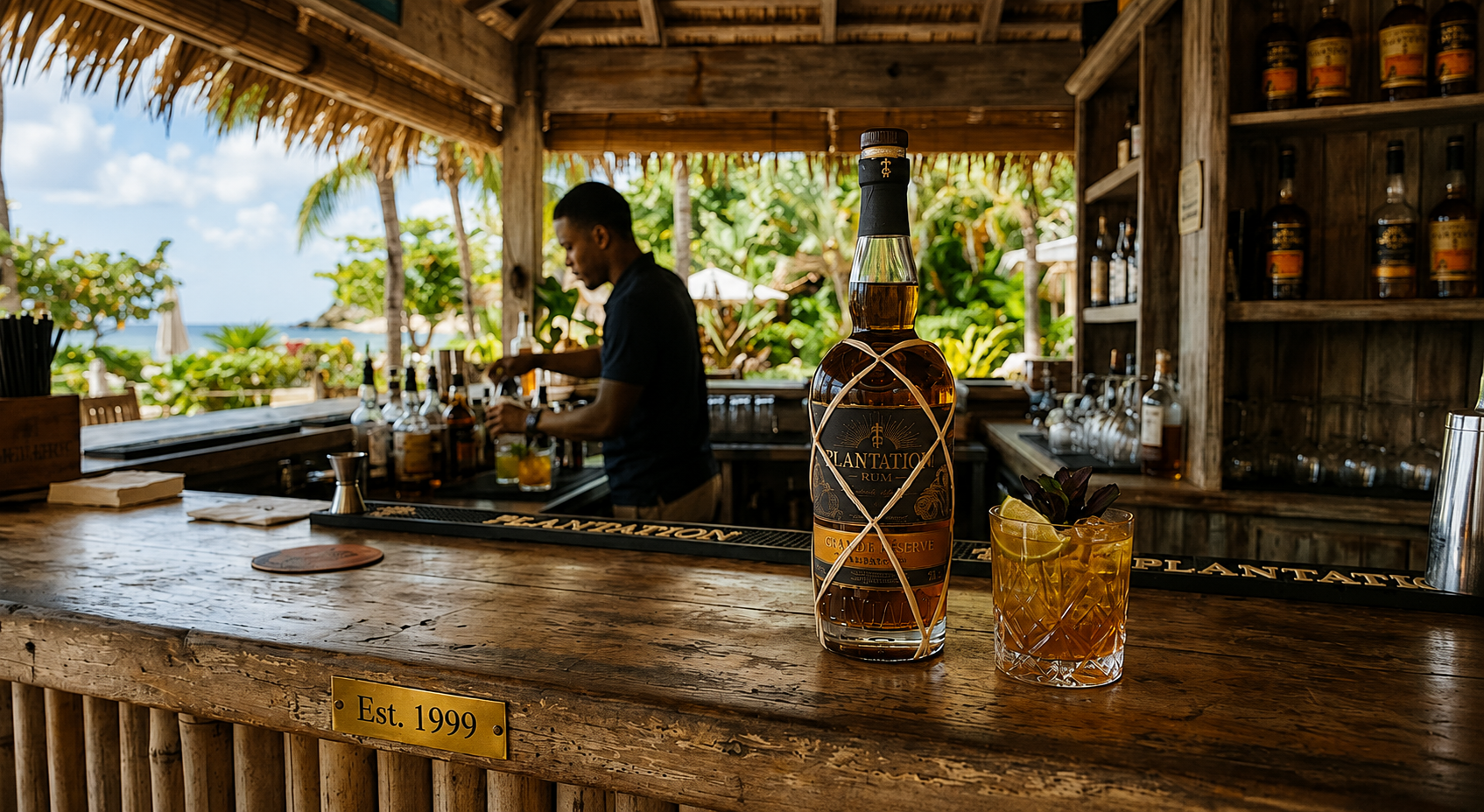
The story of plantation rum begins in 1999 when Alexandre Gabriel launched the brand under Maison Ferrand with the goal of creating a premium rum that blends Caribbean tradition with French craftsmanship. He built relationships with distilleries across the Caribbean and other rum-producing regions to source high-quality spirits. This approach allowed the brand to create a unique identity based on blending rather than single-origin production. Over time, Plantation Rum gained international recognition for its distinctive style and attention to detail in aging and selection.
As the brand expanded, it developed a strong reputation in the global spirits market, especially among rum enthusiasts who appreciated its complex flavor profiles. In recent years, the company rebranded Plantation Rum to Planteray Rum to better reflect modern values and remove historical associations from the original name. Despite the change, the core philosophy of sourcing, blending, and aging premium rum remains unchanged, continuing the legacy of quality and innovation that defines the brand today.
How Producers Make Plantation Rum (Production Process)
The production of plantation rum begins in multiple tropical regions where distilleries originally distill the rum. Local distilleries in countries like Barbados, Jamaica, and Fiji ferment and distill sugarcane molasses using traditional methods that give each rum its unique character. After distillation, the rum ages in oak barrels under tropical conditions, and the warm climate develops strong and rich flavor compounds.
After the initial aging, the producers transport the rum to France for secondary maturation under the supervision of Maison Ferrand. This second aging stage refines the spirit, softens its intensity, and adds layers of smoothness and balance. The combination of tropical and continental aging creates a complex production process that sets plantation rum apart from many traditional single-origin rums in the global market.
Double Aging Method Explained
The double aging method is one of the most important techniques used in plantation rum production, and it plays a major role in shaping the spirit’s final taste. In the first stage, producers age the rum in its country of origin, usually in tropical climates where high temperatures speed up the interaction between the spirit and oak barrels. This rapid aging process creates deep, bold flavors that reflect the character of the region where producers make the rum.
In the second stage, producers ship the rum to France and age it again in carefully selected barrels. This cooler environment slows down maturation and allows the flavors to blend more smoothly, creating balance and refinement. The combination of tropical intensity and European elegance creates a unique drinking experience that makes plantation rum stand out among other premium rum brands worldwide.
Flavor Profile and Tasting Notes
The plantation rum flavor profile shows complexity and balance, making it appealing to both casual drinkers and rum enthusiasts. Depending on the specific expression, it often carries rich notes of vanilla, caramel, tropical fruits, and toasted oak. The combination of tropical aging and French maturation develops these flavors and adds both intensity and smoothness to the final spirit.
Different variants of plantation rum can also include spicy, smoky, or nutty undertones, creating a layered tasting experience. When people sip it neat, they experience its full depth, while in cocktails it adds richness and character without overpowering other ingredients. This versatility is one of the key reasons people widely respect plantation rum in the premium spirits market.
Popular Plantation Rum Variants
Plantation rum offers a wide range of expressions, each crafted to highlight different regional styles and aging techniques. One of the most popular is Plantation 3 Stars, a light Caribbean blend known for its smooth and clean profile, making it ideal for cocktails. Another well-known option is Plantation Original Dark, which combines Jamaican and Barbadian rums to create a richer, spicier taste with deep molasses notes.
Premium releases such as Plantation XO 20th Anniversary and Plantation Fiji Rum showcase the brand’s expertise in long aging and single-origin character. These variants often feature complex flavors like vanilla, coconut, dried fruits, and oak spice. Each expression reflects the brand’s commitment to blending tradition with innovation, giving consumers a diverse selection of high-quality rum options.
Plantation Rum vs Other Rum Brands
Plantation rum differs from many mainstream rum brands because it focuses on craftsmanship, blending, and dual aging rather than mass production. While brands like Bacardi often emphasize lighter and cleaner spirits designed mainly for mixing, Plantation Rum delivers deeper, more complex flavor profiles that are suitable for both sipping and premium cocktails. This makes it especially popular among rum enthusiasts who value richness and character in their drink.
Another major difference lies in the production approach. Plantation Rum sources spirits from multiple countries and refines them through its unique French aging process, while many other brands rely on a single distillery and local aging only. This international blending method gives plantation rum a layered taste profile that reflects different regions, making it more diverse and distinctive compared to traditional single-origin rums.
Sustainability and Rebranding to Planteray Rum
In recent years, plantation rum went through a major transformation when the brand officially rebranded to Planteray Rum. The company introduced this change to move away from historical associations linked to the original name and to adopt a more modern, inclusive identity. The new name reflects “plant” for sugarcane and “ray” for sunlight, symbolizing natural growth and positive energy. Despite the name change, the company continues the same production methods and maintains the same quality standards.
Alongside the rebranding, the company has also increased its focus on sustainability and responsible sourcing. It works closely with partner distilleries to improve environmental practices and ensure ethical production across its supply chain. These efforts show the brand’s commitment to evolving with modern expectations while maintaining the traditional craftsmanship that made plantation rum globally respected.
Conclusion
Plantation rum stands out as a premium spirit that blends Caribbean tradition with French expertise through its unique double aging process and international sourcing. Its rich flavor profile, crafted through careful production and maturation, makes it a favorite among both casual drinkers and rum enthusiasts. From light blends to complex aged expressions, the brand offers a wide range of options that highlight quality, balance, and craftsmanship.
As the brand continues its journey under the name Planteray Rum, it maintains its core values while adapting to modern expectations of sustainability and responsible production. This evolution ensures that plantation rum remains relevant in the global spirits market while preserving the character that made it successful in the first place.
FAQs
What is Plantation Rum known for?
It is known for its double aging process and premium blended rum styles.
Is Plantation Rum still called Plantation Rum?
The brand has rebranded to Planteray Rum, but the products remain the same.
How should Plantation Rum be enjoyed?
It can be enjoyed neat, on the rocks, or in cocktails.
Where does Plantation Rum come from?
It sources rum from multiple countries including Barbados, Jamaica, and Fiji.
Visit for More information : Multiple Magazines