 Admin
Admin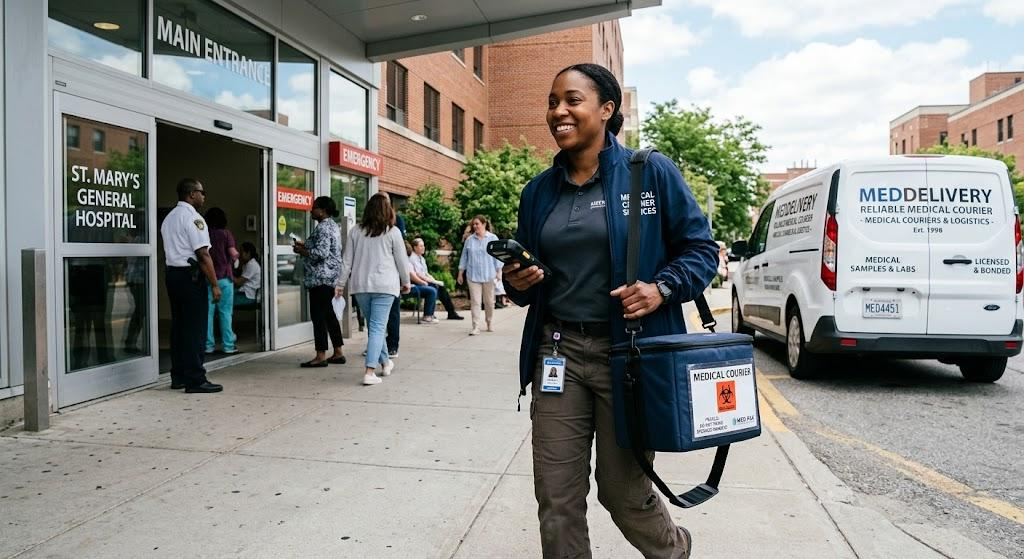
Medical courier jobs involve transporting important healthcare-related items between hospitals, laboratories, clinics, pharmacies, and other medical facilities. Unlike standard delivery drivers, medical couriers handle sensitive materials such as blood samples, laboratory specimens, prescription medications, medical records, and healthcare equipment. Their work helps healthcare providers maintain efficient operations and ensures that patients receive timely diagnoses and treatments. Because many medical shipments are time-sensitive, couriers must follow strict schedules and carefully handle every package to prevent damage, contamination, or delays.
Medical couriers serve as an essential link in the healthcare system. Every day, they help move critical items that support patient care, from diagnostic samples that need immediate testing to medications that must reach healthcare facilities quickly. In addition to transportation duties, they are expected to follow healthcare regulations, maintain accurate delivery records, and protect confidential information. As healthcare services continue to expand, medical courier jobs remain an important career option for individuals who enjoy driving, value responsibility, and want to contribute to the medical field without providing direct patient care.
Key Duties and Responsibilities of a Medical Courier
The primary responsibility of professionals working in medical courier jobs is to safely and efficiently transport medical items from one location to another. These items may include laboratory specimens, blood samples, medications, medical supplies, and confidential patient documents. Couriers must ensure that every delivery reaches its destination on time because delays can affect patient care, diagnostic testing, and treatment schedules. They are also responsible for checking delivery information, verifying package contents, obtaining signatures when required, and maintaining accurate transportation records throughout the delivery process.
In addition to making deliveries, medical couriers must follow strict safety and handling procedures. Many medical items require specific temperature controls, secure packaging, and careful transportation to preserve their quality and reliability. Couriers are expected to inspect their vehicles regularly, plan efficient delivery routes, communicate with dispatchers and healthcare staff, and comply with healthcare privacy regulations. Attention to detail is crucial because even a small mistake can lead to lost specimens, delayed test results, or compliance issues. These responsibilities make medical courier jobs more specialized and demanding than many traditional delivery positions.
Requirements and Qualifications for Medical Courier Jobs
Most medical courier jobs have relatively accessible entry requirements, making them attractive to individuals seeking a healthcare-related career without extensive formal education. Employers typically require candidates to possess a valid driver’s license, a clean driving record, and a high school diploma or equivalent qualification. Because couriers spend a significant amount of time on the road, they must demonstrate safe driving habits and a strong understanding of traffic laws. Many employers also conduct background checks and may require drug screening to ensure reliability and professionalism.
While advanced degrees are generally not necessary, certain qualifications can improve a candidate’s chances of securing a position. Previous experience in delivery services, logistics, transportation, or healthcare environments is often viewed favorably. Employers also value individuals who have strong organizational skills, excellent time management abilities, and the capacity to handle sensitive materials responsibly. In some cases, medical couriers may receive training on specimen handling, infection control procedures, and patient privacy regulations. These qualifications help employees perform their duties effectively while maintaining the high standards expected in medical courier jobs.
Medical Courier Salary and Earning Potential
One of the reasons many people consider medical courier jobs is the opportunity to earn a steady income while working in an essential industry. Salary levels can vary depending on factors such as location, employer, experience, work schedule, and employment type. Full-time medical couriers employed by hospitals, laboratories, or healthcare logistics companies often receive a consistent salary along with benefits such as health insurance, paid time off, and retirement plans. Independent contractors may have more flexibility in choosing routes and schedules, but their earnings can fluctuate based on workload and delivery demand.
As couriers gain experience and develop a reputation for reliability, they may qualify for higher-paying routes or specialized delivery assignments. Transporting high-priority medical specimens, temperature-sensitive materials, or critical healthcare supplies often requires additional responsibility and can lead to increased earnings. Some employers also offer overtime opportunities, performance bonuses, and advancement into supervisory or dispatch roles. While salaries differ across regions, medical courier jobs generally provide stable earning potential within a growing healthcare support sector, making them a practical career choice for many job seekers.
Skills Needed to Succeed as a Medical Courier
Success in medical courier jobs depends on more than just the ability to drive from one location to another. Employers look for individuals who possess excellent time-management skills, as many deliveries involve strict deadlines and time-sensitive medical materials. Couriers must be organized, dependable, and capable of planning efficient routes to ensure that specimens, medications, and healthcare supplies arrive on schedule. Strong attention to detail is equally important because even a minor delivery error can affect laboratory testing, patient treatment, or healthcare operations.
Communication and professionalism are also essential skills for medical couriers. Throughout the workday, they interact with healthcare professionals, laboratory staff, dispatch teams, and facility administrators. Being able to communicate clearly and maintain accurate records helps prevent misunderstandings and ensures smooth delivery operations. In addition, couriers must remain calm under pressure, adapt to changing schedules, and follow strict handling procedures for sensitive materials. These qualities help professionals excel in medical courier jobs while building trust with employers and healthcare organizations that rely on accurate and timely deliveries.
Career Opportunities and Advancement Paths
The growing healthcare industry continues to create new opportunities for individuals interested in medical courier jobs. Entry-level couriers often begin by transporting routine medical supplies, laboratory specimens, and documents between healthcare facilities. With experience, they may gain access to more specialized routes involving high-priority deliveries, temperature-sensitive materials, or critical healthcare shipments. Hospitals, diagnostic laboratories, pharmacies, medical logistics companies, and healthcare networks all offer employment opportunities for qualified medical couriers.
Career growth is possible for those who demonstrate reliability, professionalism, and strong performance over time. Experienced couriers may advance into roles such as route coordinator, dispatch supervisor, logistics specialist, or transportation manager. Some professionals choose to become independent contractors and operate their own delivery services, while others transition into broader healthcare logistics positions. As demand for healthcare transportation continues to increase, medical courier jobs can serve as a valuable starting point for long-term careers within the medical and logistics industries.
Benefits and Challenges of Working as a Medical Courier
Like any profession, medical courier jobs come with both advantages and challenges. One of the biggest benefits is the opportunity to work in a healthcare-related field without needing extensive medical education or specialized degrees. Many positions offer flexible schedules, stable employment, and the satisfaction of contributing to patient care behind the scenes. Medical couriers also enjoy a level of independence during their workday, as much of their time is spent traveling between facilities rather than working in a traditional office environment.
However, the job also requires a high level of responsibility and attention to detail. Couriers often work under strict deadlines and must ensure that sensitive medical items are delivered safely and accurately. Traffic delays, adverse weather conditions, and unexpected route changes can add pressure to daily operations. In some cases, couriers may need to transport temperature-sensitive materials or handle urgent deliveries that directly affect patient care. Despite these challenges, many professionals find medical courier jobs rewarding because they play an important role in supporting healthcare services and helping medical facilities operate efficiently.
How to Find and Apply for Medical Courier Jobs
Finding opportunities in medical courier jobs usually starts with exploring healthcare providers, laboratory networks, and logistics companies that specialize in medical transportation. Many hospitals and diagnostic labs hire couriers directly, while others outsource deliveries to third-party courier services. Job seekers can also find listings on major employment platforms, where positions range from full-time employee roles to independent contractor opportunities. It is important to carefully review job descriptions to understand requirements such as driving experience, vehicle use, and scheduling expectations.
The application process typically involves submitting a resume highlighting driving experience, reliability, and any relevant logistics or healthcare background. Employers often conduct interviews, background checks, and driving record evaluations to ensure candidates are trustworthy and capable of handling sensitive materials. In some cases, training may be provided on medical handling procedures, safety protocols, and delivery documentation systems. By preparing a strong application and demonstrating professionalism, candidates can improve their chances of securing medical courier jobs in a competitive but growing industry.
Future Outlook for the Medical Courier Industry
The future of medical courier jobs looks promising as the healthcare industry continues to expand and evolve. With increasing demand for diagnostic testing, home healthcare services, and faster medical delivery systems, the need for reliable couriers is expected to grow steadily. Advances in medical technology and the rise of specialized laboratories have also contributed to more frequent and time-sensitive deliveries, making couriers an essential part of the healthcare supply chain.
In the coming years, automation and digital tracking systems are likely to improve efficiency in medical logistics, but human couriers will still remain necessary for handling sensitive, urgent, and regulated materials. Many healthcare providers prefer trained professionals who can ensure safe transport and compliance with strict medical guidelines. As a result, medical courier jobs are expected to remain stable and relevant, offering long-term opportunities for individuals seeking a dependable career in the healthcare support sector.
Conclusion
Medical courier jobs play an essential role in the healthcare system by safely and timely delivering critical medical items such as lab samples, medications, and documents. In this guide, we explained how couriers support hospitals and laboratories, the key responsibilities they perform, the skills and qualifications they need, salary potential, and the industry’s future outlook. This profession clearly combines responsibility, reliability, and purpose, making it a vital part of modern healthcare operations.
For individuals seeking a stable career with flexible opportunities, medical courier jobs offer a strong option, especially for those who enjoy driving and working independently. Although the job involves challenges such as strict deadlines and careful handling requirements, it also provides meaningful work that directly supports patient care and medical services. As healthcare continues to grow, the demand for skilled couriers will remain strong, creating long-term career opportunities.
FAQs
What does a medical courier do daily?
A medical courier transports lab samples, medications, and medical documents between healthcare facilities while ensuring safe and timely delivery.
Do medical courier jobs require experience?
Most entry-level positions do not require experience, but a clean driving record and reliability are essential.
How much do medical couriers earn?
Earnings vary by location and employer, but couriers can earn a steady income with opportunities for overtime and bonuses.
Is medical courier a good career?
Yes, it is a stable and growing career option, especially for individuals who prefer driving and flexible work environments.
Visit for More information : Multiple Magazines