
 Admin
Admin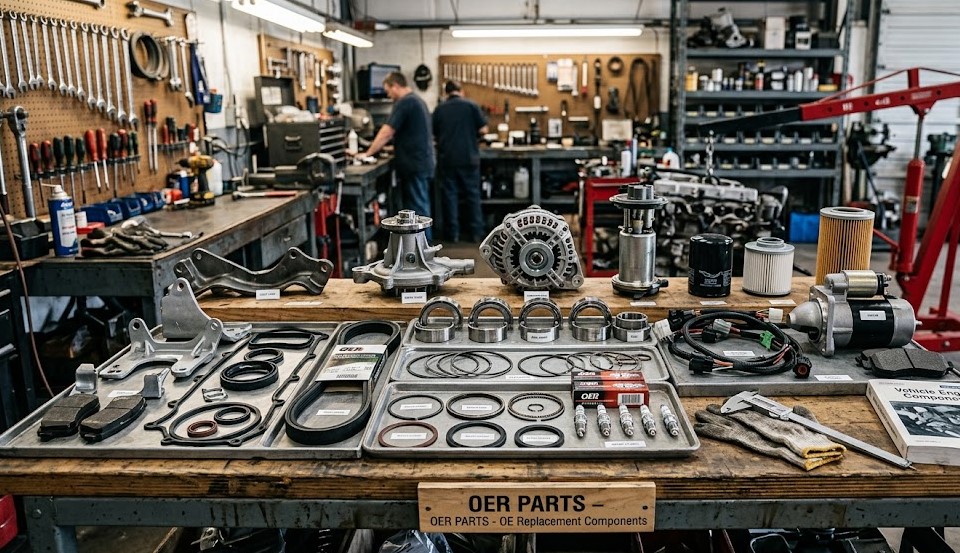
OER parts (Original Equipment Reproduction parts) refer to replacement automotive components designed to closely match the original factory parts used in vehicles. Manufacturers create these parts to replicate the exact design, fit, appearance, and function of the original components, which makes them highly useful in repair and restoration work. Unlike standard aftermarket parts that may differ in quality or design, OER parts aim to maintain the original specifications of the vehicle as closely as possible. This makes them especially important when original manufacturer parts are no longer available or are difficult to source.
In the automotive industry, OER parts help restore vehicles to their original condition, particularly in classic car restoration and professional repair projects. Mechanics and restorers often use them to preserve authenticity while ensuring proper functionality. These parts provide a practical solution for maintaining older vehicles because they balance quality, availability, and cost. As a result, OER parts have become a reliable choice for people who want to keep vehicles looking and performing as close to factory condition as possible.
How OER Parts Differ from OEM and Aftermarket Parts
OER parts differ from OEM and aftermarket parts mainly in origin, design accuracy, and intended use. OEM (Original Equipment Manufacturer) parts come directly from the vehicle’s original maker, while third-party companies produce aftermarket parts, and these parts often vary in quality or design. In contrast, OER parts act as reproduction components that closely match original factory specifications. Manufacturers do not produce them as original parts, but they design them carefully to replicate the look, fit, and performance of OEM parts as accurately as possible. This makes them especially useful when OEM parts become discontinued or difficult to find.
Another key difference involves cost, availability, and restoration purpose. OEM parts usually cost more and often become limited in availability, especially for older or discontinued vehicles. Aftermarket parts often cost less, but they do not always match original standards. OER parts sit in the middle and offer a balance between affordability and authenticity. Mechanics and restorers widely use them in classic car restoration because they help maintain the original appearance and structure of the vehicle. This makes OER parts a practical choice for people who want factory-like quality without paying premium OEM prices.
Types of OER Parts Used in Vehicle Restoration
OER parts include a wide range of automotive components designed to replicate original factory specifications for different parts of a vehicle. One of the most common categories includes body panels such as doors, fenders, hoods, and bumpers. These parts are essential in restoring the external appearance of vehicles, especially in classic car restoration projects where maintaining original design is important. In addition to exterior components, OER parts also cover interior elements like dashboards, seat covers, trims, and door panels, which help restore the original look and feel of the vehicle’s cabin.
Beyond body and interior parts, OER parts also extend to mechanical and electrical components. This includes engine-related parts such as gaskets, mounts, and covers, as well as electrical systems like wiring harnesses, switches, and lighting units. Suspension and chassis components are also available in OER form, helping restore the vehicle’s driving performance and structural integrity. This wide variety ensures that almost every part of a vehicle can be replaced with a reproduction component that closely matches the original, making OER parts highly valuable in complete restoration projects.
Benefits of Using OER Parts for Repairs
OER parts offer several important benefits that make them a popular choice in automotive repair and restoration projects. One of the main advantages is their ability to closely match original factory specifications, which helps maintain the authentic look and performance of a vehicle. This is especially important for classic car restorations where preserving originality adds value. Mechanics and car enthusiasts prefer OER parts because they provide a reliable balance between quality and originality without requiring access to expensive or discontinued OEM components.
Another major benefit of OER parts is cost-effectiveness and availability. Compared to OEM parts, they are often more affordable while still offering good durability and fit. They are also easier to find for older or discontinued vehicles, making restoration projects more practical and less time-consuming. In addition, using OER parts helps extend the lifespan of vehicles by replacing worn or damaged components with high-quality replicas. This combination of affordability, accessibility, and functional reliability makes them a smart choice for both professional mechanics and individual car owners.
Common Applications of OER Parts in Automotive Work
OER parts see wide use in different areas of automotive repair and restoration, especially when mechanics maintain or rebuild vehicles to their original condition. One of the most common applications includes classic car restoration, where owners and mechanics bring old or vintage vehicles back to factory-like appearance and performance. In these projects, OER parts replace missing or damaged components such as body panels, interior trims, and mechanical systems while preserving the vehicle’s original design identity.
Another important application of OER parts involves routine repair and maintenance of older or discontinued vehicle models. When OEM parts become unavailable, mechanics rely on OER alternatives to keep vehicles running safely and efficiently. These parts also support accident repairs, where technicians replace damaged sections of a car with components that closely match the original structure. In addition, automotive workshops and restoration specialists use OER parts in full rebuild projects to maintain consistency in quality, appearance, and performance across the entire vehicle.
Cost and Availability of OER Parts
OER parts generally serve as a cost-effective solution compared to OEM components, especially for older or discontinued vehicles. Since OEM parts often come directly from the original manufacturer, they cost more and sometimes become difficult to source. In contrast, third-party manufacturers produce OER parts and focus on replicating original specifications at a more affordable price. This makes them a practical choice for car owners and repair shops that want to maintain quality without overspending on rare factory parts.
In terms of availability, OER parts are widely accessible through automotive retailers, online marketplaces, and specialized restoration suppliers. They are especially common for classic and vintage vehicles, where original parts may no longer be in production. However, availability can vary depending on the make and model of the vehicle, with more popular restoration models having a larger selection of reproduction parts. Overall, OER parts provide a balanced solution by combining reasonable pricing with broad accessibility, making vehicle restoration and repair more achievable for many users.
Challenges and Limitations of OER Parts
Even though OER parts provide many advantages, they also come with certain challenges that users should consider before choosing them for repairs or restoration. One common limitation is slight variation in quality depending on the manufacturer. Since different companies produce reproduction parts, some OER parts may not always match the exact durability or finishing standards of original factory components. This can sometimes lead to minor fitment issues during installation, requiring adjustments or modifications to achieve proper alignment.
Another challenge of OER parts is limited availability for rare or less popular vehicle models. While widely used for common classic cars, some specific parts may still be hard to find, especially for discontinued or niche vehicles. In addition, purists who focus on 100% originality may prefer OEM parts over reproduction alternatives, as OER components are not officially produced by the original manufacturer. Despite these limitations, OER parts remain a practical solution for many restoration projects where cost, accessibility, and functionality are the main priorities.
Future of OER Parts in the Automotive Industry
The future of OER parts looks promising as the demand for vehicle restoration and customization continues to grow worldwide. Classic car culture has expanded significantly, and more enthusiasts now invest in restoring older vehicles instead of replacing them. This trend increases the need for high-quality reproduction components that closely match original factory standards. As manufacturing technology improves, OER parts are expected to become more accurate, durable, and easier to install, reducing the gap between reproduction and OEM quality.
Advancements in 3D scanning, digital modeling, and precision manufacturing will also play a major role in shaping the future of OER parts. These technologies allow manufacturers to replicate original components with higher accuracy and consistency. In addition, the growing global automotive aftermarket industry will continue to improve availability and distribution networks. As a result, OER parts will likely become even more accessible, making vehicle restoration more affordable and efficient for both professionals and car enthusiasts in the coming years.
Conclusion
OER parts play an important role in the automotive repair and restoration industry by offering reliable reproduction components that closely match original factory specifications. They help vehicle owners and mechanics restore both the appearance and performance of cars, especially when OEM parts are no longer available or are too expensive. From body panels and interior trims to mechanical and electrical components, OER parts provide a wide range of options that support complete vehicle restoration projects.
Overall, OER parts offer a balanced solution between quality, affordability, and availability. While they may have some limitations compared to OEM parts, they remain a practical choice for classic car enthusiasts and repair professionals. As the automotive industry continues to grow and technology improves, OER parts will become even more accurate and accessible, making vehicle restoration easier and more efficient in the future.
FAQs
What does OER parts mean?
OER parts are reproduction automotive components designed to match original factory specifications for vehicle repair and restoration.
Are OER parts the same as OEM parts?
No, OEM parts come from the original manufacturer, while OER parts are made by third-party companies to replicate OEM design.
Where are OER parts used?
They are commonly used in classic car restoration, vehicle repairs, and replacement of discontinued parts.
Are OER parts good quality?
Yes, most OER parts offer good quality and fit, although performance can vary depending on the manufacturer.
Visit for More information : Multiple Magazines