 Admin
Admin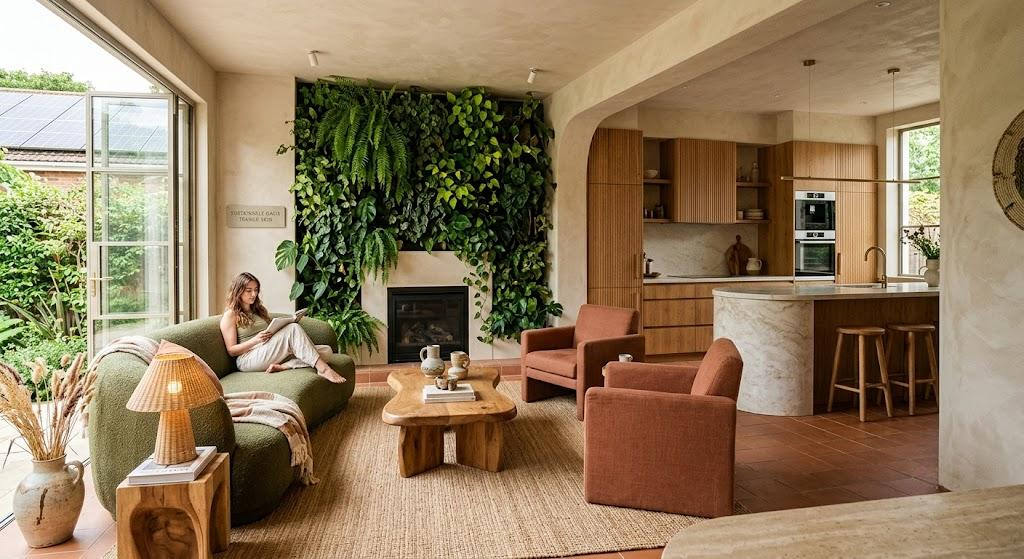
Warm minimalism has become one of the strongest interior design trends 2026, replacing the cold and overly plain minimalist look that dominated previous years. This style focuses on simplicity but adds warmth through soft textures, natural tones, and comfortable materials. Instead of empty, clinical spaces, homes now feel inviting and lived-in while still maintaining a clean and organized appearance. Designers often use earthy colors like beige, sand, terracotta, and warm greys to create a calm and balanced atmosphere that supports relaxation and emotional comfort.
In addition to color and simplicity, warm minimalism also emphasizes intentional living. Every furniture piece and décor item serves a purpose, but it also adds personality to the space. Soft lighting, natural fabrics like linen and cotton, and subtle decorative accents help create depth without clutter. This approach to interior design trends 2026 encourages homeowners to focus on quality over quantity, ensuring that each element in the room contributes to a peaceful and harmonious environment.
Natural Materials and Organic Textures
One of the most influential interior design trends 2026 is the strong return of natural materials and organic textures. Designers now prefer wood, stone, clay, rattan, and linen over synthetic or overly polished surfaces. This shift brings homes closer to nature and creates spaces that feel more grounded and authentic. Instead of perfect, machine-made finishes, people now appreciate natural imperfections such as wood grain patterns, uneven stone surfaces, and handmade décor elements that add character to interiors.
This trend also focuses on sensory experience, not just visual appeal. Textures play a key role in making a home feel warm and inviting, from rough stone walls to soft woven fabrics and matte finishes. Many homeowners are combining different natural elements to create layered, cozy environments that feel both modern and timeless. As part of interior design trends 2026, this movement reflects a growing desire for sustainability, comfort, and a deeper connection to the natural world inside living spaces.
Bold Colors and Expressive Palettes
Bold colors are making a strong comeback in interior design trends 2026, replacing the long dominance of neutral, “safe” interiors. Homeowners are now embracing richer and more expressive palettes that include deep greens, warm terracotta, ocean blues, mustard yellows, and earthy reds. These colors bring energy, depth, and personality into living spaces, turning plain rooms into visually engaging environments. Instead of sticking to a single muted theme, designers now encourage mixing tones to create contrast and emotional impact.
This shift also reflects a move toward personal expression in home décor. People are no longer afraid to experiment with color layering, accent walls, and statement furniture pieces. A single bold sofa, painted wall, or artistic décor item can completely transform a room’s mood. Within interior design trends 2026, color is no longer just decorative—it becomes a storytelling tool that reflects lifestyle, mood, and individuality while keeping spaces modern and visually dynamic.
Curved Furniture and Soft Architectural Forms
Curved furniture has become a defining feature of interior design trends 2026, replacing the sharp, rigid lines that once dominated modern interiors. Sofas, chairs, tables, and even shelving units now feature rounded edges and flowing shapes that create a softer and more inviting atmosphere. These organic forms help reduce visual tension in a room and make spaces feel more relaxed and comfortable. Designers are using curves to guide movement naturally through interiors, improving both aesthetics and functionality.
Beyond furniture, architectural elements are also shifting toward softer designs. Arched doorways, rounded walls, and flowing ceiling details are increasingly common in modern homes. This approach creates a sense of harmony and continuity throughout a space. As part of interior design trends 2026, curved forms are not just a style choice but also a psychological one, as they promote calmness and ease, making homes feel more welcoming and emotionally balanced.
Biophilic Design and Nature-Inspired Interiors
Biophilic design stands out as one of the most meaningful interior design trends 2026, focusing on bringing natural elements into indoor spaces. This approach connects people with nature by incorporating plants, natural light, water-inspired features, and outdoor materials. Homes designed with this concept feel fresher, calmer, and more balanced, helping reduce stress and improve overall well-being. Large windows, open layouts, and greenery-filled corners are becoming essential parts of modern interiors.
This trend also extends beyond decoration into overall lifestyle design. Natural airflow, sunlight optimization, and eco-friendly layouts are now carefully planned to enhance comfort and sustainability. Designers often combine indoor plants with natural textures like wood and stone to strengthen the connection between indoors and outdoors. Within interior design trends 2026, biophilic design reflects a growing desire to create healthier living environments that support both physical and emotional wellness.
Smart Homes and Functional Design Innovations
Technology is becoming an essential part of interior design trends 2026, with smart homes leading the way in modern living. Automated lighting, voice-controlled systems, smart thermostats, and app-based security features are now seamlessly integrated into interior spaces. These innovations not only improve convenience but also enhance energy efficiency and overall comfort. Homes are now designed to respond to daily routines, adjusting lighting, temperature, and even entertainment systems based on user behavior.
Functionality is also a major focus in modern interior planning. Designers are creating multi-purpose spaces that adapt to different needs, such as home offices that transform into guest rooms or modular furniture that can be rearranged easily. Storage solutions are becoming smarter and more hidden, reducing clutter while maintaining clean aesthetics. As part of interior design trends 2026, smart and functional design ensures that homes are not only beautiful but also highly practical for everyday life.
Maximalism with Purpose: Personalized Interiors
Maximalism is returning strongly in interior design trends 2026, but it is no longer about overcrowded or chaotic spaces. Instead, it focuses on meaningful expression and carefully curated décor. Homeowners are now blending personal collections, artwork, vintage pieces, and modern furniture to create interiors that tell a story. Every item has intention, whether it reflects memories, culture, or personal taste, making spaces feel deeply individual rather than generic.
This new form of maximalism still maintains balance through thoughtful design choices. Colors, patterns, and textures are layered in a controlled way to avoid visual overload. Designers encourage mixing old and new styles, such as combining antique furniture with modern lighting or bold art pieces with neutral backgrounds. Within interior design trends 2026, this approach allows people to express personality freely while still maintaining harmony, structure, and visual appeal in their homes.
Sustainable and Eco-Friendly Home Design
Sustainability plays a major role in interior design trends 2026, as more homeowners choose environmentally responsible materials and design practices. Eco-friendly interiors now prioritize renewable resources such as reclaimed wood, bamboo, recycled metal, and low-impact paints. This shift not only reduces environmental harm but also creates healthier indoor spaces with improved air quality and fewer toxic materials. Designers are focusing on long-lasting, durable furniture instead of fast, disposable décor items.
In addition to materials, energy efficiency is also shaping modern home design. Natural lighting, energy-saving appliances, and smart climate control systems are being integrated into interior planning to reduce electricity usage. Many homes now follow minimalist waste principles, where every item is chosen carefully to avoid excess consumption. As part of interior design trends 2026, sustainability is no longer optional—it has become a core principle that defines how modern interiors are created and maintained.
Conclusion
Interior design trends 2026 highlight a major shift toward comfort, sustainability, and personal expression in modern homes. Instead of cold and overly minimal spaces, people now prefer warm, natural, and emotionally balanced interiors. Trends such as warm minimalism, natural materials, bold colors, curved furniture, biophilic design, smart home integration, and purposeful maximalism all work together to create living spaces that feel both functional and meaningful.
Overall, interior design trends 2026 show that homes are becoming more than just physical spaces—they are evolving into personal environments that support well-being, creativity, and lifestyle needs. By combining technology with nature-inspired elements and sustainable choices, modern interiors achieve a balance between beauty and practicality that defines the future of home design.
FAQs
What are the top interior design trends 2026?
Warm minimalism, natural materials, bold colors, curved furniture, and sustainable design are the top trends.
Is minimalism still popular in 2026?
Yes, but it has evolved into warm minimalism, which feels softer and more comfortable.
What colors are trending in 2026 interiors?
Earthy tones, deep greens, terracotta, blues, and warm neutrals are trending.
Why is sustainable design important in 2026?
It reduces environmental impact and creates healthier, longer-lasting living spaces.
Visit for More information : Multiple Magazines