 Admin
Admin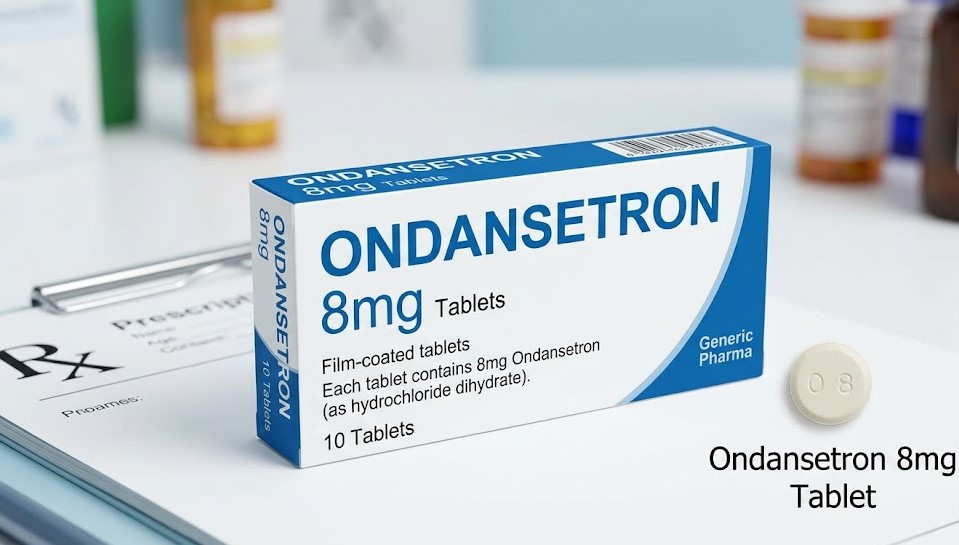
Ondansetron 8mg is a commonly prescribed anti-nausea medication that prevents and treats vomiting caused by medical treatments such as chemotherapy, radiation therapy, and surgery. It works quickly and effectively to control nausea, helping patients recover more comfortably and maintain proper hydration and nutrition during illness or treatment. Doctors often choose this medicine because patients generally tolerate it well and it does not usually cause heavy drowsiness like older antiemetic drugs.
In medical practice, doctors consider ondansetron 8mg a standard adult dose in many cases, depending on the severity of symptoms and the type of treatment. It belongs to a group of medicines called serotonin (5-HT3) receptor antagonists, which block chemical signals in the brain and gut that trigger nausea and vomiting. This action makes it highly effective for both short-term and treatment-related nausea control.
Nausea can significantly affect a patient’s quality of life, so ondansetron plays an important role in supportive care. It helps patients feel more stable, reduces the risk of dehydration caused by vomiting, and improves overall treatment tolerance. Patients should always take it under medical supervision to ensure safe and correct use.
What is Ondansetron 8mg?
Ondansetron 8mg is a prescription antiemetic medication that controls nausea and vomiting by acting on the central nervous system and gastrointestinal tract. It belongs to the serotonin 5-HT3 receptor antagonist class, which blocks serotonin signals that trigger the vomiting reflex. Serotonin is a natural chemical in the body that can sometimes overstimulate the brain’s vomiting center, especially during medical treatments like chemotherapy or after surgery. By blocking this response, ondansetron effectively helps control nausea.
This medication comes in several forms, including tablets, orally disintegrating tablets (ODT), and injections. Doctors commonly prescribe the 8mg strength for adults because it provides a balanced level of effectiveness and safety in moderate to severe nausea cases. Patients use it in hospitals as well as at home, depending on their condition and the doctor’s recommendation.
Ondansetron is not a painkiller or sedative, which makes it different from many older anti-nausea drugs. Patients usually remain fully alert after taking it, which is especially important for those who need to continue daily activities or recovery routines without feeling drowsy or weak.
Medical Uses of Ondansetron 8mg
Ondansetron 8mg mainly prevents and controls nausea and vomiting caused by medical treatments and certain health conditions. One of its most important uses involves patients undergoing chemotherapy, where strong cancer medicines often trigger severe nausea. In such cases, ondansetron reduces discomfort and allows patients to tolerate their treatment more effectively. Doctors also use it during radiation therapy for similar reasons, since radiation can stimulate the body’s vomiting response.
Another major use of ondansetron 8mg involves post-operative care. After surgery, many patients feel nausea due to anesthesia and pain medications. Doctors prescribe ondansetron to prevent vomiting during recovery, which remains important because excessive vomiting can strain surgical stitches and delay healing. In hospitals, patients receive it in tablet form or through injections depending on their condition.
In some cases, ondansetron also treats general nausea caused by infections, stomach issues, or other medical conditions, although doctors decide this based on individual needs. While it works effectively, it does not treat motion sickness or mild everyday nausea unless a healthcare professional specifically recommends it. Its targeted action makes it especially valuable in medical settings where nausea control plays a key role in recovery.
Recommended Dosage and How to Take It
The dosage of ondansetron 8mg depends on the patient’s condition, age, and the reason for prescribing it. For adults, doctors commonly use this strength as part of treatment plans to prevent nausea caused by chemotherapy, radiation therapy, or surgery. In many cases, doctors recommend taking 8mg about 30 minutes before a treatment session and giving additional doses later in the day if needed. The exact schedule varies, but doctors always tailor it to reduce nausea at the most critical times.
Patients should swallow ondansetron 8mg tablets with water, with or without food. For patients who have difficulty swallowing, orally disintegrating tablets (ODT) dissolve on the tongue without water. Patients should not exceed the prescribed dose, as higher amounts do not improve results and may increase the risk of side effects such as headache or dizziness
Doctors usually adjust the dosing frequency based on how the patient responds. Some individuals may only need a single dose, while others undergoing intensive treatments may require multiple doses per day for a short period. Always follow medical instructions carefully, and avoid self-adjusting the dose without professional guidance, as proper timing is key to its effectiveness.
How Ondansetron Works in the Body
Ondansetron 8mg targets a specific chemical pathway in the body that triggers nausea and vomiting. Serotonin plays a key role in this process as a natural chemical released in the gut that sends signals to the brain’s vomiting center. When serotonin levels become too active—such as during chemotherapy, surgery, or certain illnesses—they overstimulate these receptors and cause nausea. Ondansetron blocks this reaction before it develops.
This medication acts on 5-HT3 receptors, which exist in both the gastrointestinal tract and the central nervous system. By blocking these receptors, ondansetron 8mg stops the nausea signal from reaching the brain. This dual action—working in both the gut and brain—makes it highly effective for controlling different types of vomiting triggers, especially those related to medical treatments.
Ondansetron does not affect dopamine receptors, which older anti-nausea drugs commonly target. Because of this, it causes fewer side effects like sedation, movement disorders, or extreme drowsiness. Instead, it provides more focused and controlled relief, allowing patients to stay alert while managing nausea effectively.
Side Effects of Ondansetron 8mg
Like all medicines, ondansetron 8mg may cause side effects, although many people tolerate it well without serious issues. The most commonly reported side effect is headache, which can occur shortly after taking the medication and is usually mild to moderate in intensity. Some patients may also experience constipation or, less commonly, diarrhea due to changes in gut activity. These effects are generally temporary and improve as the body adjusts to the medicine.
In some cases, ondansetron 8mg causes dizziness or a feeling of tiredness, although it does not act as a sedative drug. A small number of people also notice flushing, warmth, or mild discomfort in the stomach area. These symptoms usually remain mild and not dangerous, but patients should monitor them if they continue or become bothersome during treatment.
Rare but serious side effects include changes in heart rhythm, known as QT prolongation, which can lead to irregular heartbeat. Allergic reactions such as rash, swelling, or difficulty breathing are also rare but require immediate medical attention. Because of these risks, it is important to use ondansetron only under medical supervision, especially for individuals with existing heart conditions or electrolyte imbalances.
Warnings and Drug Interactions
Ondansetron 8mg requires caution in certain individuals, especially those with existing heart conditions. One of the most important warnings linked to this medication involves its potential to affect the heart’s electrical activity, which leads to a condition called QT prolongation. This condition increases the risk of irregular heartbeat in sensitive patients, particularly those with a history of cardiac issues or those taking other medicines that affect heart rhythm.
Another important consideration involves drug interactions. Ondansetron 8mg interacts with medications such as certain antibiotics, antidepressants, and antiarrhythmic drugs. When people combine these medicines, they increase the risk of side effects or reduce treatment effectiveness. Patients with liver problems may also need adjusted dosing because the liver processes this drug.
Patients should also avoid combining ondansetron with drugs that significantly disturb electrolyte balance, such as low potassium or magnesium levels, because this situation increases heart-related risks further. Because of these precautions, patients must inform their doctor about all medications and health conditions before starting ondansetron therapy. Careful monitoring helps ensure safe and effective use of the medicine.
Safety in Special Populations
Ondansetron 8mg is generally safe when used correctly, but certain patient groups require special care. In pregnant women, doctors sometimes prescribe it to manage severe nausea, especially when other treatments do not work effectively. However, healthcare professionals always evaluate its use during pregnancy carefully and weigh the benefits against any potential risks to both mother and baby.
For elderly patients, ondansetron 8mg usually remains safe, but older adults often show greater sensitivity to side effects such as dizziness or heart rhythm changes. Doctors closely monitor these patients, especially when they take other medications that may interact or affect heart function. They may also adjust the dose based on overall health and kidney or liver function.
In patients with liver disease, caution becomes especially important because the liver processes ondansetron. When liver function decreases, the body clears the drug more slowly, which increases its concentration and raises the risk of side effects. In children, doctors calculate dosing carefully based on weight and medical condition to ensure both safety and effectiveness. Proper medical supervision remains essential for all these special populations to ensure safe use.
Conclusion
Ondansetron 8mg is an effective and widely used anti-nausea medication that plays an important role in modern medical treatment. It is commonly prescribed for nausea and vomiting caused by chemotherapy, radiation therapy, and surgery, offering fast and reliable relief. By blocking serotonin signals in the brain and gut, it helps patients manage symptoms that can otherwise severely affect recovery and comfort. When used correctly under medical supervision, it is generally safe and well tolerated, making it a trusted option in both hospital and home care settings.
However, like any medication, ondansetron 8mg should be taken with caution. Possible side effects such as headache, constipation, or dizziness are usually mild, but rare heart-related risks require attention, especially in patients with underlying conditions. Following the prescribed dosage and informing the doctor about any existing health issues or medications helps ensure safe use and better results.
FAQs
What is ondansetron 8mg used for?
It is mainly used to prevent and treat nausea and vomiting caused by chemotherapy, radiation therapy, and surgery.
How quickly does ondansetron 8mg work?
It usually starts working within 30 minutes to 1 hour after taking the dose.
Can I take ondansetron 8mg daily?
Only if prescribed by a doctor. Long-term or frequent use should be medically supervised.
Is ondansetron 8mg safe during pregnancy?
It may be used in some cases, but only under strict medical guidance after evaluating risks and benefits.
Visit for More information : Multiple Magazines